
 By admin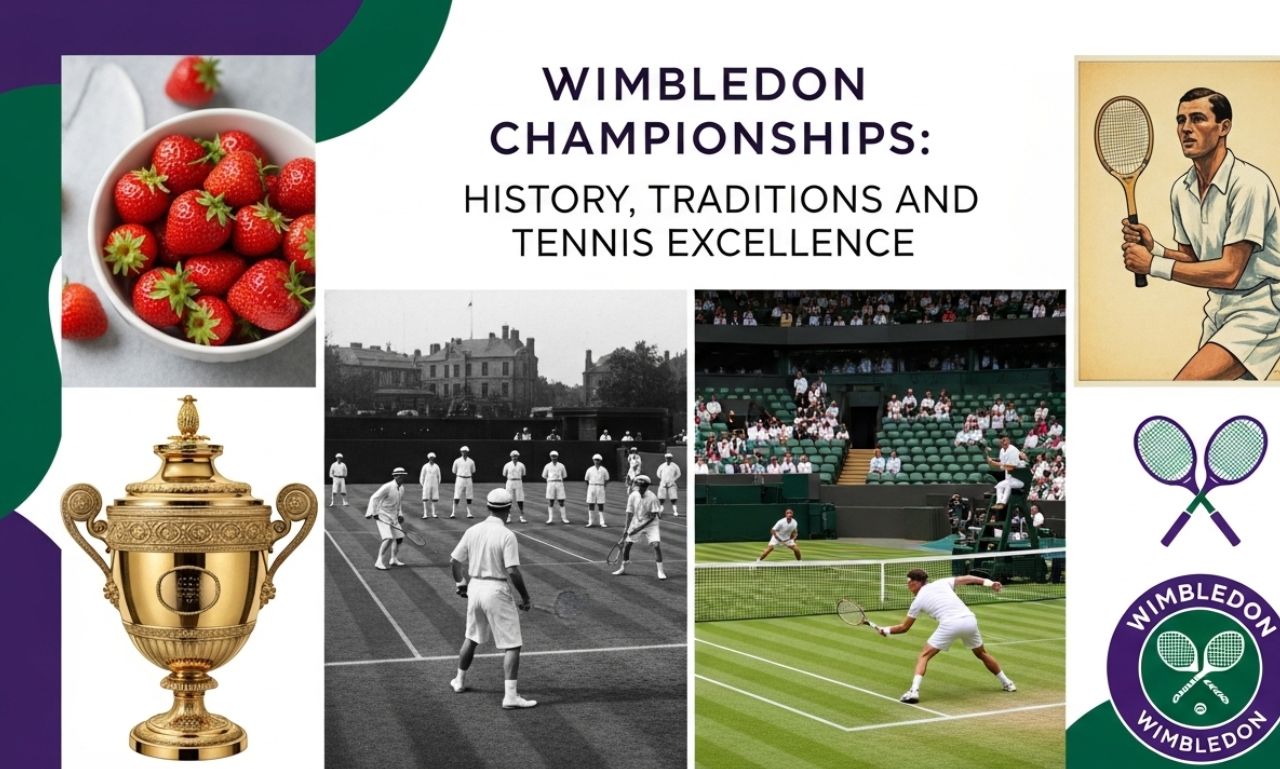
The Wimbledon Championships represent the pinnacle of tradition and prestige in professional tennis. Held annually in London, the Wimbledon Championships are the oldest tennis tournament in the world and widely regarded as the most iconic of the four Grand Slam events. Known for its grass courts, strict dress code, and royal patronage, the Wimbledon Championships continue to captivate global audiences every summer.
In this article, we explore the history of the Wimbledon Championships, their unique traditions, legendary champions, tournament structure, and global impact on the sport of tennis.
The Origins of the Wimbledon Championships
The Wimbledon Championships were first held in 1877 at the All England Lawn Tennis and Croquet Club. Initially, the tournament featured only a men’s singles competition, with 22 players participating in the inaugural event.
The first champion was Spencer Gore, who won the title in front of a small crowd. Over time, the tournament expanded to include women’s singles, doubles events, and mixed doubles, gradually becoming an international sporting spectacle.
Today, the Wimbledon Championships are one of the four Grand Slam tournaments, alongside the Australian Open, French Open, and US Open.
Grass Courts: The Signature of the Wimbledon Championships
One of the defining characteristics of the Wimbledon Championships is its grass surface. Unlike the hard courts of the Australian Open and US Open or the clay courts of the French Open, Wimbledon remains the only Grand Slam still played on grass.
Why Grass Matters
Grass courts produce faster ball speeds and lower bounces compared to other surfaces. This traditionally favored players with strong serves and effective net play. Over the years, however, adjustments to grass maintenance have slightly slowed the surface, allowing for longer rallies.
Maintaining pristine grass courts requires extensive care. The groundskeeping team works year-round to ensure the courts meet the high standards expected at the Wimbledon Championships.
Traditions of the Wimbledon Championships
The Wimbledon Championships are famous not only for tennis excellence but also for their rich traditions.
The All-White Dress Code
Players competing at the Wimbledon Championships must adhere to a strict all-white clothing rule. This tradition dates back to the Victorian era and remains one of the most recognizable aspects of the tournament.
Royal Patronage
The tournament has long-standing ties to the British royal family. Members of the royal family, including Catherine, Princess of Wales, frequently attend matches and present trophies to champions.
Strawberries and Cream
Another beloved tradition of the Wimbledon Championships is the serving of strawberries and cream to spectators. Thousands of portions are enjoyed each year during the tournament.
Legendary Champions of the Wimbledon Championships
The Wimbledon Championships have crowned some of the greatest players in tennis history.
Roger Federer
Roger Federer holds the men’s record for the most Wimbledon singles titles in the Open Era, with eight championships. His graceful style and dominance on grass made him synonymous with Centre Court success.
Serena Williams
Serena Williams has won seven Wimbledon singles titles. Her powerful game and mental resilience have left a lasting mark on the tournament.
Martina Navratilova
Martina Navratilova won nine Wimbledon singles titles, the most in women’s history. Her dominance during the 1980s remains unmatched.
These athletes, among many others, have contributed to the enduring prestige of the Wimbledon Championships.
Centre Court and Iconic Venues
The heart of the Wimbledon Championships is Centre Court, which has hosted the most significant matches in tennis history. With a seating capacity of nearly 15,000 and a retractable roof installed in 2009, Centre Court blends tradition with modern innovation.
Court No. 1 also features a retractable roof, ensuring play continues during rain—a common feature of British summers.
The ivy-covered walls and carefully maintained grounds give the venue a distinctive atmosphere unlike any other sporting arena.
Tournament Structure of the Wimbledon Championships
The Wimbledon Championships typically take place over two weeks in late June and early July. Events include:
-
Gentlemen’s Singles
-
Ladies’ Singles
-
Men’s Doubles
-
Women’s Doubles
-
Mixed Doubles
-
Junior and wheelchair events
Unlike other Grand Slams, the Wimbledon Championships maintain certain unique scheduling traditions, though recent changes have aligned the event more closely with modern tournament standards.
Matches in the singles competitions are played in a best-of-five sets format for men and best-of-three sets for women.
Memorable Moments in Wimbledon Championships History
Throughout its long history, the Wimbledon Championships have delivered unforgettable drama.
-
In 1980, Björn Borg defeated John McEnroe in a legendary five-set final.
-
In 2008, Rafael Nadal triumphed over Roger Federer in what many consider the greatest match ever played.
-
In 2013, Andy Murray became the first British man in 77 years to win the singles title.
These iconic matches have helped define the legacy of the Wimbledon Championships.
Global Impact of the Wimbledon Championships
The Wimbledon Championships are broadcast to millions of viewers worldwide. The tournament’s global reach has expanded through digital streaming platforms and social media engagement.
Wimbledon’s brand represents elegance, sportsmanship, and tradition. Its careful balance of heritage and modernization ensures that the Wimbledon Championships remain relevant in a rapidly changing sports landscape.
Moreover, success at Wimbledon often elevates a player’s career to legendary status, given the tournament’s historical importance.
The Future of the Wimbledon Championships
As tennis continues evolving with new generations of players, the Wimbledon Championships remain committed to preserving their heritage while embracing innovation. Investments in technology, sustainability initiatives, and enhanced fan experiences signal a forward-looking approach.
The tournament continues to inspire aspiring athletes worldwide, symbolizing the ultimate achievement on grass courts.
Conclusion
The Wimbledon Championships stand as the most historic and tradition-rich tournament in tennis. From its beginnings in 1877 to modern-day Centre Court battles, the Wimbledon Championships have consistently showcased excellence, resilience, and sportsmanship.
With legendary champions, iconic traditions, and unmatched prestige, the Wimbledon Championships continue to define greatness in the sport of tennis. Each summer, as players step onto the grass courts of the All England Club, the world once again witnesses a celebration of tennis at its finest.