
 By admin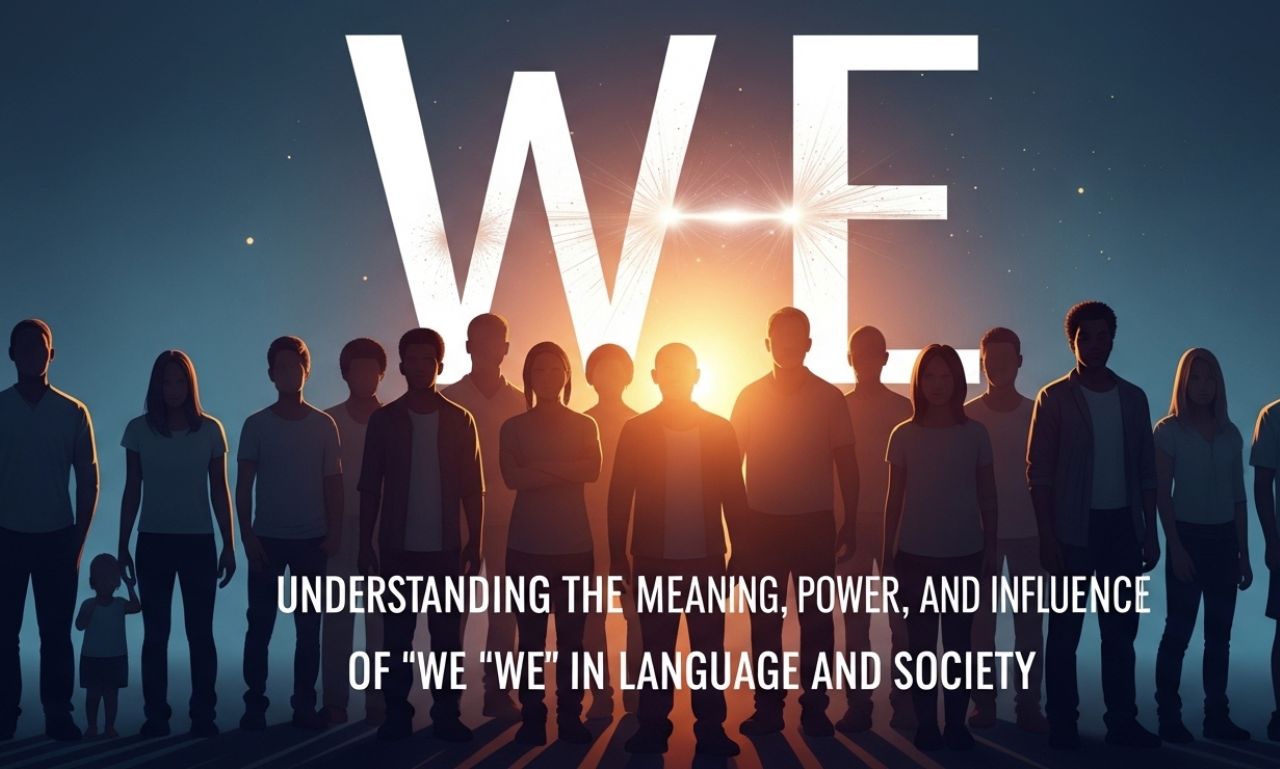
The word We may seem simple at first glance, but it carries profound meaning in language, culture, psychology, and society. From everyday conversations to political speeches and literary masterpieces, We represents unity, shared identity, and collective responsibility. Whether used in personal relationships, community discussions, or global movements, this small pronoun holds immense power. In this article, we will explore the linguistic roots, psychological impact, cultural importance, and literary significance of We, showing how such a brief word can shape perspectives and influence human connection.
The Linguistic Meaning of We
What Does We Represent in Grammar?
In grammar, We is a first-person plural pronoun. It refers to a group that includes the speaker and at least one other person. Unlike “I,” which emphasizes individuality, this pronoun highlights togetherness. It transforms a personal viewpoint into a shared experience.
For example:
-
“I believe this is right” expresses a personal opinion.
-
“We believe this is right” suggests collective agreement.
This subtle shift changes tone, intention, and perception. In communication, language shapes reality, and plural pronouns help build inclusion and cooperation.
Inclusive vs. Exclusive We
Linguists often distinguish between two types:
-
Inclusive We: Includes both the speaker and the listener.
-
Exclusive We: Includes the speaker and others, but not the listener.
English does not formally separate these two forms, but context usually clarifies the meaning. In other languages, however, separate grammatical structures exist to differentiate them. This distinction highlights how powerful and nuanced collective language can be.
The Psychological Power of We
How We Shapes Identity
Psychologically, We plays a central role in forming group identity. When individuals use collective language, they signal belonging. Social identity theory explains that people define themselves not only as individuals but also as members of groups—families, teams, nations, or organizations.
Using shared pronouns strengthens bonds and reduces emotional distance. Saying “We can solve this” promotes teamwork and mutual accountability rather than isolation.
The Emotional Impact of We
Research in communication studies suggests that collective wording increases feelings of support and unity. In relationships, partners who use shared language often report higher satisfaction. In leadership, inclusive language fosters trust.
However, context matters. While collective terms can unite, they can also exclude. If someone feels left out of the group being referenced, the effect may be negative rather than positive.
We in Society and Culture
Political and Social Influence of We
Throughout history, leaders have used We to inspire movements and build solidarity. Phrases like “We the people” emphasize unity and collective authority. This type of language reinforces shared goals and common identity.
In social activism, the word helps individuals see themselves as part of a larger cause. It transforms personal struggles into collective challenges and promotes cooperation.
Community and Belonging
Communities thrive on shared identity. Schools, workplaces, and organizations often encourage collective language to build team spirit. For example, sports teams frequently emphasize “We win together” or “We rise together” to foster unity.
This shared perspective promotes collaboration and reduces self-centered thinking. It reminds individuals that they are part of something larger than themselves.
We in Literature and Storytelling
The Symbolic Use of We in Fiction
In literature, We can represent unity, conformity, or shared experience. Some authors use collective narration to reflect societal structures or communal identity.
One of the most famous examples is We by Yevgeny Zamyatin. This novel explores a futuristic society where individuality is suppressed in favor of collective identity. Through its narrative style and themes, the story examines the tension between personal freedom and societal conformity.
In such works, collective language often reflects ideological systems or philosophical debates about identity and control.
First-Person Plural Narration
Some modern stories experiment with first-person plural narration, where a group narrates events collectively. This technique creates a unique perspective, emphasizing shared experiences rather than individual viewpoints.
It can reflect community memory, cultural traditions, or generational voice. By using plural narration, authors highlight how experiences shape groups rather than isolated individuals.
The Cultural Significance of We
We Across Different Cultures
In many collectivist cultures, shared identity holds greater importance than individual achievement. In these societies, language naturally emphasizes community and family connections.
In contrast, individualistic cultures often focus on personal goals and independence. However, even in such environments, collective expressions remain essential during times of crisis or celebration.
Global Events and Shared Humanity
During global challenges, the concept of We becomes especially powerful. Natural disasters, pandemics, and humanitarian crises often remind people of their interconnectedness. Collective language encourages empathy and cooperation across borders.
When leaders and communities emphasize unity, they foster resilience and shared responsibility.
The Risks and Challenges of We
When We Excludes Others
Although collective language promotes unity, it can also create division. The concept of “us versus them” often emerges when groups define themselves in opposition to others.
This demonstrates how powerful shared language can be. It not only builds identity but also shapes boundaries. Responsible communication requires awareness of who is included—and who may feel excluded.
Groupthink and Collective Pressure
Another challenge arises when group identity suppresses individuality. In some situations, people may conform to collective decisions without questioning them. While cooperation is beneficial, healthy societies also need diverse perspectives.Balancing collective strength with individual voice is essential for progress and fairness.
The Evolution of We in the Digital Age
Social Media and Collective Voice
In the digital era, collective language spreads rapidly through online communities. Hashtags, movements, and viral campaigns often rely on shared identity.
When individuals unite under a common phrase, they amplify their voices. Technology has expanded the reach of collective expression beyond geographicalboundaries.
Collaboration in Modern Workplaces
Today’s workplaces increasingly emphasize teamwork and collaboration. Companies promote shared goals and collective achievements. Project-based environments rely heavily on cooperation rather than individual competition.
Using inclusive language in professional settings can enhance morale and productivity. However, effective leadership also recognizes individual contributions within group success.
The Philosophical Meaning of We
Individual vs. Collective Identity
Philosophers have long debated the relationship between individuality and collective existence. Is identity shaped more by personal experience or by community membership?
The word W e embodies this question. It represents the merging of multiple perspectives into a unified whole. At the same time, it raises concerns about autonomy and self-expression.
Shared Responsibility
Collective language often implies shared accountability. When people say “W e made this decision,” responsibility is distributed among the group. This can strengthen solidarity but may also complicate individual accountability.
Understanding this balance is crucial in leadership, governance, and ethical discussions.
Conclusion:
Though small and simple, W e holds extraordinary influence in communication, culture, and society. It shapes identity, builds connection, and fosters unity. From grammar lessons to psychological theories, from literature to global movements, this collective pronoun carries meaning far beyond its size.
By understanding the power and limitations of shared language, individuals and communities can use it responsibly. Emphasizing inclusion while respecting individuality ensures that collective identity strengthens rather than divides.
Ultimately, the word reminds us that human life is deeply interconnected. In families, communities, workplaces, and nations, cooperation remains essential. When used thoughtfully, this small pronoun can inspire collaboration, empathy, and progress for generations to come.