
 By admin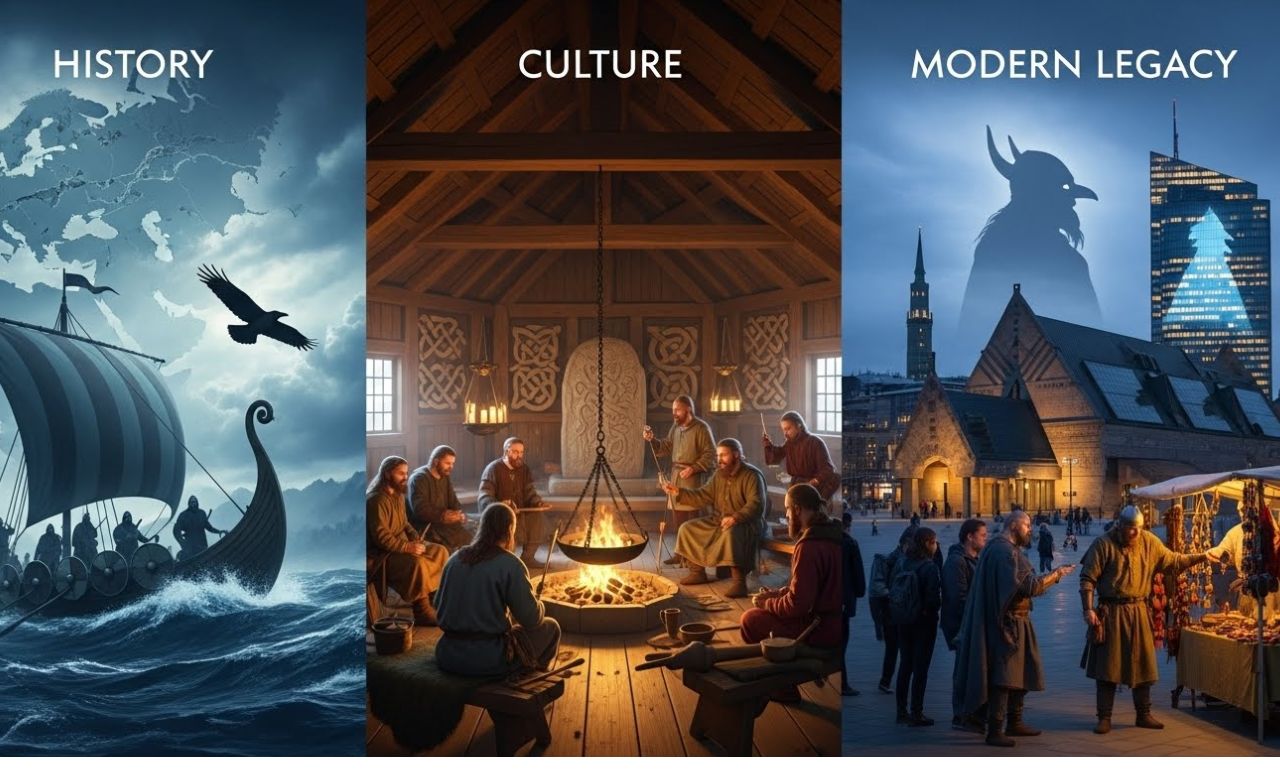
The Vikings remain one of the most fascinating and influential groups in world history. Known for their seafaring skills, warrior culture/npm,, and far-reaching exploration, the Vikings left a lasting mark on Europe and beyond. From legendary raids to advanced shipbuilding and rich mythology, the Vikings were far more than just fierce fighters. This article explores who the Vikings were, how they lived, their beliefs, and why their legacy continues to shape modern culture.
Introduction to the Vikings
The Viking s were Norse people who originated from Scandinavia, primarily present-day Norway, Sweden, and Denmark. Their era, often referred to as the Viking Age, spanned roughly from the late 8th century to the mid-11th century. During this time, Viking s traveled across Europe, Asia, and even North America, influencing trade, warfare, and cultural exchange.
While popular culture often portrays Viking s as ruthless raiders, historical evidence shows they were also skilled traders, farmers, craftsmen, and explorers.
Who Were the Vikings?
The Viking s were not a single unified nation but a collection of Norse communities bound by language, culture, and traditions. They lived in small settlements and were ruled by local chieftains or kings.
Origins of the Vikings
-
Came from Scandinavia
-
Spoke Old Norse
-
Practiced pagan religions before later Christianization
-
Relied on farming, fishing, and trade
The harsh climate of Scandinavia encouraged innovation, adaptability, and exploration, which helped shape Viking society.
Viking Society and Daily Life
Contrary to myths, Viking life was structured and community-oriented. Families were central to society, and roles were clearly defined.
Daily Life of the Vikings
-
Men farmed, fished, traded, and fought
-
Women managed households, land, and finances
-
Children learned skills early and contributed to family work
Homes were typically longhouses made of wood, turf, and stone, designed to withstand cold weather.
Viking Warriors and Raids
The reputation of the Viking s as fearsome warriors comes from their raids on monasteries, towns, and coastal settlements across Europe.
Why Vikings Raided
-
Search for wealth and resources
-
Political power and reputation
-
Population pressure and land scarcity
Their success was largely due to superior ship design, surprise attacks, and disciplined combat strategies.
Viking Ships and Exploration
One of the greatest achievements of the Viking s was their advanced shipbuilding technology.
Viking Longships
-
Lightweight and fast
-
Able to sail in shallow waters
-
Used for both raids and trade
Thanks to these ships, Viking s reached places such as:
-
England and Ireland
-
France and Spain
-
Russia and the Middle East
-
Greenland and North America (Vinland)
Viking Religion and Mythology
Religion played a major role in Viking culture. Before Christianity, Viking s practiced Norse paganism.
Norse Gods Worshipped by Vikings
-
Odin – god of wisdom and war
-
Thor – god of thunder and protection
-
Loki – trickster god
-
Freya – goddess of love and fertility
Beliefs in Valhalla, Ragnarok, and fate influenced how Viking s approached life and death.
Viking Trade and Economy
Not all Viking journeys were violent. Trade was a significant part of their economy.
Trade Goods of the Vikings
-
Furs and animal skins
-
Amber and silver
-
Weapons and tools
-
Slaves (a common practice at the time)
Viking traders connected Europe with the Islamic world and Asia, helping spread ideas and technologies.
Decline of the Vikings
The Viking Age gradually came to an end due to several factors.
Reasons for the Decline
-
Stronger European defenses
-
Spread of Christianity
-
Formation of centralized kingdoms
-
Changes in trade routes
By the 11th century, Vikings had largely integrated into European societies.
Legacy of the Vikings
The legacy of the Vikings continues to influence modern culture, language, and identity.
Viking Influence Today
-
Place names across Europe
-
Words in modern English
-
Popular books, movies, and TV shows
-
Cultural festivals and historical reenactments
Their spirit of exploration and innovation still inspires people worldwide.
Vikings in Modern Popular Culture
Modern media has revived interest in the Vikings through television series, films, and games. While some portrayals exaggerate violence, they have sparked global curiosity about Viking history and mythology.
This renewed interest has encouraged historical research and cultural preservation.
Conclusion
The Vikings were far more than raiders and warriors. They were explorers, traders, farmers, and storytellers whose influence reached across continents. Their achievements in navigation, culture, and society shaped medieval Europe and continue to impact the modern world. Understanding the Vikings provides insight into human adaptability, ambition, and the enduring power of cultural legacy.