
 By Brain Killer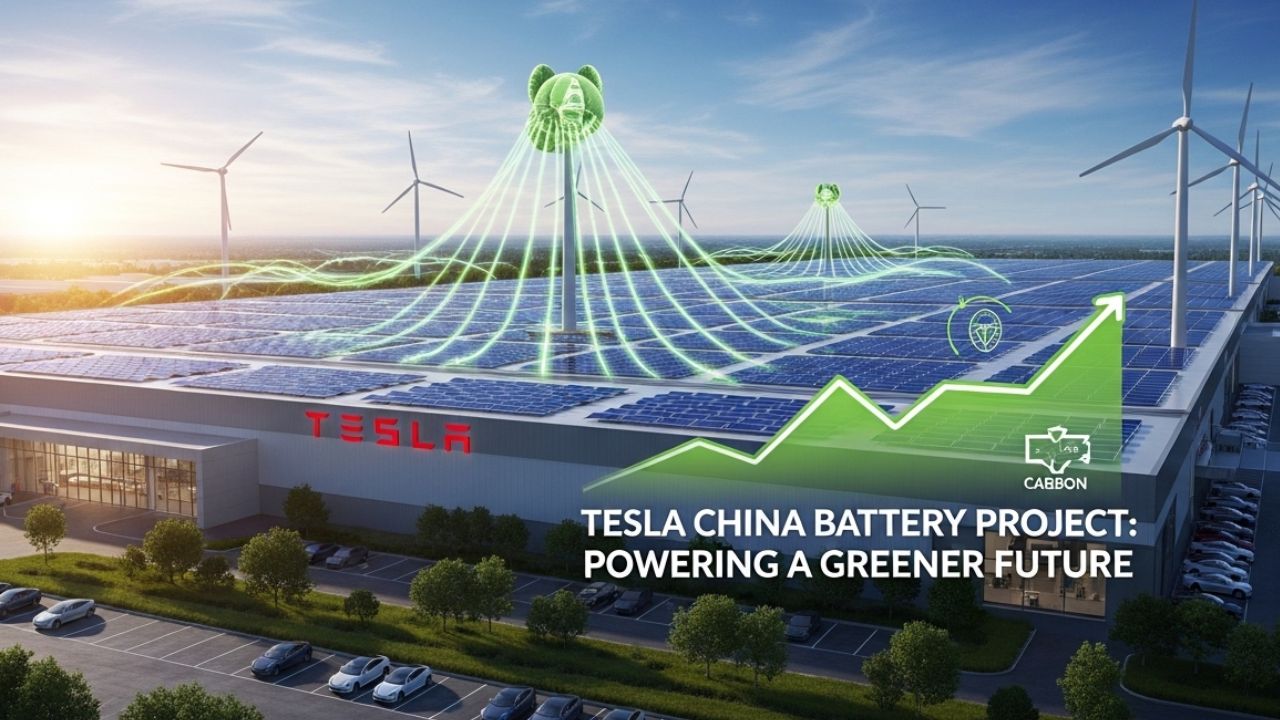
The Tesla China battery project renewable energy initiative represents a major milestone in global clean energy development and utility‑scale storage deployment. With the world urgently transitioning from fossil fuels to renewable power sources, battery storage has emerged as a crucial link between intermittent renewable generation and reliable electricity supply. Tesla’s latest effort in China exemplifies how innovative energy storage can support grid stability and accelerate the adoption of green power across regions.
As the country with the largest renewable energy capacity and fastest growth in wind, solar, and hydropower, China has become a strategic destination for international clean energy collaborations. Tesla’s engagement in China not only reflects its ambition to expand renewable energy infrastructure but also marks a major step toward addressing energy challenges in the 21st century.
What is the Tesla China Battery Project Renewable Energy Initiative?
The Tesla China battery project renewable energy initiative centers around the construction of a utility‑scale battery energy storage facility in Shanghai. In mid‑2025, Tesla signed a roughly $557 million agreement with China Kangfu International Leasing Co. and the Shanghai government to build the nation’s first grid‑scale Megapack battery storage station.
This project will employ Tesla’s large‑format Megapack lithium‑ion batteries, which have been specifically engineered for utility usage — storing excess electricity from renewable sources and releasing it when needed to stabilize grid demand.
Why the Tesla China Battery Project Renewable Energy Matters
Supporting China’s Renewable Energy Expansion
The rapid deployment of wind and solar power in China has significantly increased renewable energy generation, but the intermittent nature of these energy sources requires robust storage solutions. Battery storage can help address fluctuations in energy production by storing surplus electricity when generation is high and dispatching it during peak demand. This makes projects like Tesla China battery project renewable energy vital for maintaining grid reliability.
By integrating Tesla’s Megapack systems into the local grid, the project supports China’s goals of maximizing renewable usage while reducing reliance on conventional thermal power plants.
Boosting Grid Stability and Efficiency
A central challenge with renewable energy is balancing supply and demand. The Tesla facility in Shanghai is designed to act as a “smart grid regulator,” adjusting stored energy in real time to manage fluctuations and avoid blackouts or strain on infrastructure. This capacity enhances efficiency and reduces wastage of clean energy generated by solar and wind farms.
Key Components of the Tesla China Battery ProjectRenewable Energy Initiative
Tesla Megapack Energy Storage Systems
At the heart of the Tesla China battery project renewable energy initiative are the Megapack systems — large‑format battery units that integrate power electronics, thermal management, and safety systems. Designed for utility‑scale use, each Megapack unit can store significant amounts of energy and manage output in coordination with grid demands.
These storage systems play an essential role in increasing the flexibility of power systems, especially where renewable generation varies throughout the day.
Shanghai Battery Production and Localization
The Shanghai region also serves as a production hub for Tesla’s Megapacks. A newly established battery factory began initial production in early 2025, positioning China as a key manufacturing location for Tesla’s energy storage products.
Local production enables Tesla to reduce transportation costs, accelerate deployments, and build stronger supply chains that benefit both domestic and international projects.
Environmental and Economic Impact of Tesla China Battery Project Renewable Energy
Reducing Carbon Emissions
The Tesla China battery project renewable energy initiative supports the broader transition toward a low‑carbon energy system. By providing grid‑scale storage, renewable generation can be used more consistently, minimizing curtailment of clean power and reducing dependence on coal‑ and gas‑fired plants. This contributes to carbon reduction goals while promoting sustainable energy utilization.
Job Creation and Technology Transfer
Large infrastructure projects like Tesla’s battery storage facility also generate employment opportunities across sectors such as construction, manufacturing, engineering, and maintenance. Moreover, the collaboration fosters technology exchange between Tesla and domestic partners, helping accelerate innovation in renewable energy storage technologies.
Challenges and Future Prospects
Competition and Market Dynamics
Even as the Tesla China battery project renewable energy initiative advances, Tesla faces competition from established Chinese battery manufacturers such as Contemporary Amperex Technology Co. Limited (CATL) and BYD, which dominate global lithium battery production.
These firms have expansive supply chains and local market advantages. However, Tesla’s international expertise and energy product portfolio offer valuable additions to China’s energy ecosystem.
Scaling Up Renewable Integration
Looking ahead, scalable battery storage systems will become increasingly important as renewable capacity expands. Projects inspired by Tesla’s work are likely to support China’s broader energy transformation, such as integrating wind, solar, and even green hydrogen systems, to meet long‑term decarbonization goals.
How Tesla China Battery Project Renewable Energy Aligns with Global Trends
A Growing Push for Storage Infrastructure Worldwide
The exploration and implementation of battery storage systems are increasing globally, driven by climate goals and technological advancements. Utility‑scale storage projects help enable carbon neutralitycommitments in many countries and contribute to the resiliency of modern power grids.
Tesla’s Expanding Role in Sustainable Energy
As part of Tesla Energy — the division responsible for solar and storage solutions — this China project reinforces Elon Musk’s vision to accelerate worldwide renewable adoption. Tesla Energy has already deployed tens of gigawatt‑hours of storage systems globally, and its continued engagement in large projects signals rising importance for energy storage as a business segment.
Conclusion:
The Tesla China battery project renewable energy initiative represents both an innovative leap in energy storage and a strategic contribution to China’s ongoing clean energy transformation. Through the deployment of utility‑scale battery systems, this project enhances grid reliability, supports renewable integration, and bolsters efforts to reduce carbon emissions.
As renewable energy continues to expand, partnerships and investments like those between Tesla and Chinese entities will play a crucial role in shaping a resilient, sustainable, and efficient energy future.