
 By admin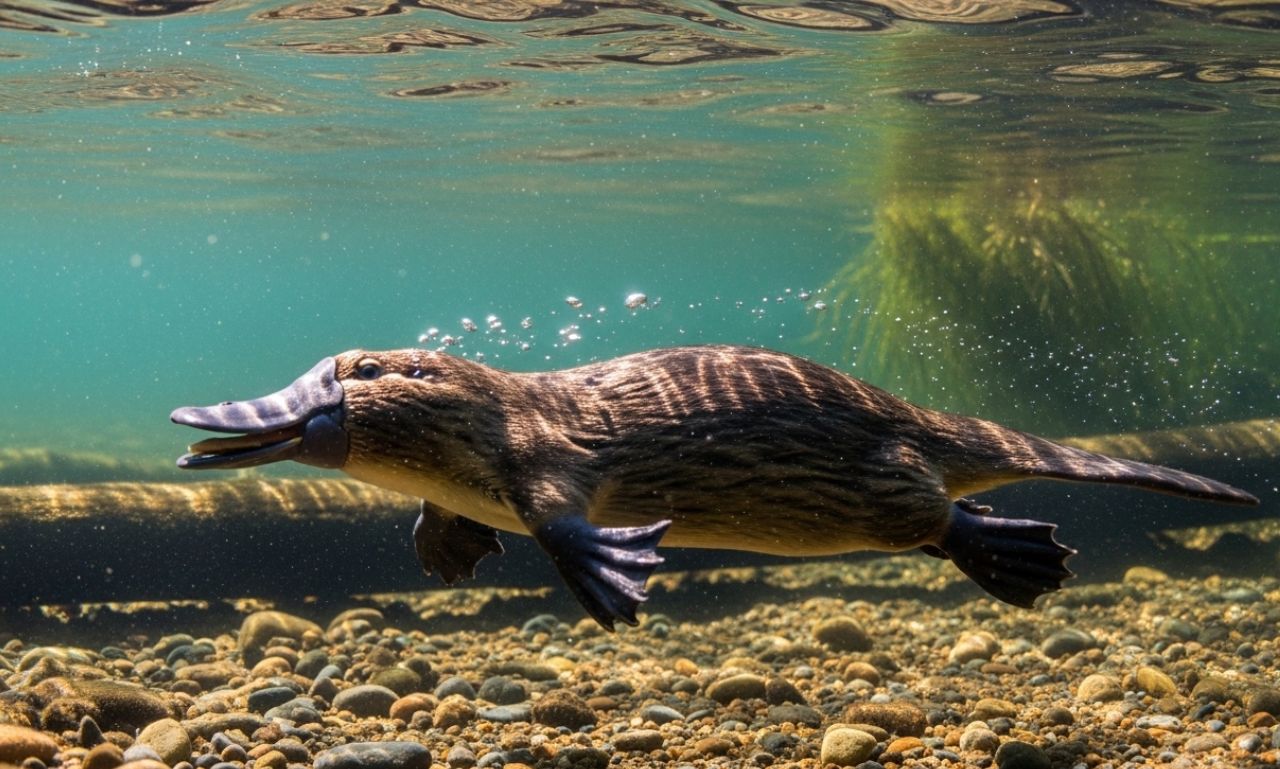
The platypus is one of nature’s most extraordinary creatures, combining characteristics that seem almost impossible to coexist in a single animal. Native to eastern Australia, this mammal has puzzled scientists for centuries due to its unique combination of features, including a duck-like bill, webbed feet, and the ability to lay eggs. Understanding the platypus provides not only insight into evolutionary biology but also a glimpse into the wonders of biodiversity.
What Is a Platypus?
The platypus (Ornithorhynchus anatinus) is a semi-aquatic mammal belonging to the monotreme family, which includes only five known species. Monotremes are unique because, unlike most mammals, they lay eggs instead of giving birth to live young. The platypus is immediately recognizable for its distinctive features: a flat, duck-like bill, webbed feet, and a beaver-like tail. Its body is covered in dense, waterproof fur that keeps it warm in aquatic environments.
Despite its peculiar appearance, the platypus is a highly adapted predator in freshwater ecosystems. It feeds mainly on aquatic invertebrates, small fish, and insects, using its sensitive bill to detect prey through electroreception—a remarkable ability to sense electrical signals generated by muscular movements of other animals.
Physical Characteristics of the Platypus
One of the most intriguing aspects of the platypus is its anatomy. Adult platypuses typically range from 43 to 50 centimeters (17 to 20 inches) in length and weigh between 0.7 to 2.4 kilograms (1.5 to 5.3 pounds). The fur is rich brown on top and lighter underneath, providing camouflage in water and on land.
The bill, soft and rubbery, is not only a tool for catching prey but also a sensory organ packed with thousands of electroreceptors. Webbed feet make the platypus an excellent swimmer, while its tail stores fat and aids in stability while navigating streams and rivers. Male platypuses have venomous spurs on their hind legs, capable of delivering painful stings to predators or rivals during mating season.
Habitat and Distribution
The platypus is found primarily in freshwater rivers, streams, and lakes along the eastern coast of Australia and Tasmania. They prefer areas with stable banks for burrow construction and clear water for hunting. Platypuses are nocturnal and crepuscular, being most active during dusk and dawn, which allows them to avoid predators and human disturbances.
Burrows are typically dug into riverbanks and can extend up to 30 meters (98 feet) in length, with multiple chambers for nesting and resting. These burrows provide shelter from predators such as eagles, snakes, and introduced species like foxes.
Behavior and Diet
The platypus is a solitary animal that spends most of its time in water searching for food. Its diet mainly consists of freshwater invertebrates like insect larvae, worms, and shrimp, but it may occasionally eat small fish. Unlike many mammals, the platypus closes its eyes, ears, and nostrils while diving and relies on its electroreception to detect prey.
Platypuses store captured food in cheek pouches to consume once they surface. Typically, they spend up to 12 hours per day hunting underwater, demonstrating impressive stamina and adaptability to aquatic life.
Reproduction and Life Cycle
The reproductive cycle of the platypus is as fascinating as its physical traits. Mating occurs during the Australian spring (September to November). Female platypuses lay one to three eggs, incubating them for about ten days. Unlike most mammals, they nourish their young with milk secreted from mammary glands, as the platypus lacks nipples. Instead, milk is excreted through openings in the skin, which the young lap up.
Juvenile platypuses are dependent on their mothers for around four months before becoming independent. Platypuses can live up to 10 to 17 years in the wild, although predation and environmental challenges often reduce their lifespan.
Conservation Status and Threats
The platypus faces several threats, primarily from habitat destruction, water pollution, and climate change. Deforestation and damming of rivers reduce suitable burrowing and foraging areas. Invasive species, such as foxes and feral cats, also pose a risk by preying on juvenile platypuses.
Although currently listed as “Near Threatened” by the International Union for Conservation of Nature (IUCN), conservation efforts are underway to protect river habitats and monitor populations. Raising awareness and supporting environmental policies can help ensure that this unique species survives for future generations.
Fun Facts About the Platypus
-
The platypus is one of only a few venomous mammals, with males capable of delivering a painful sting.
-
Despite laying eggs, the platypus is a warm-blooded mammal with fur and mammary glands.
-
Its bill can detect electric fields generated by the movement of prey underwater.
-
Platypuses have webbed feet, but the webbing retracts on land to reveal sharp claws for digging burrows.
-
Early European naturalists initially thought the platypus was a hoax due to its strange combination of traits.
Why the Platypus Is So Special
The platypus is more than a scientific curiosity—it is a symbol of evolution’s creativity. Its combination of traits, from egg-laying to electroreception, provides valuable insight into mammalian ancestry. Moreover, the platypus reminds us of the richness of Australia’s wildlife and the importance of protecting delicate ecosystems.
In conclusion, studying the platypus not only expands our understanding of animal adaptation but also emphasizes the critical role humans play in conserving habitats. By preserving rivers and forests, we ensure that the platypus, one of nature’s most extraordinary mammals, continues to thrive for generations to come.