
 By Brain Killer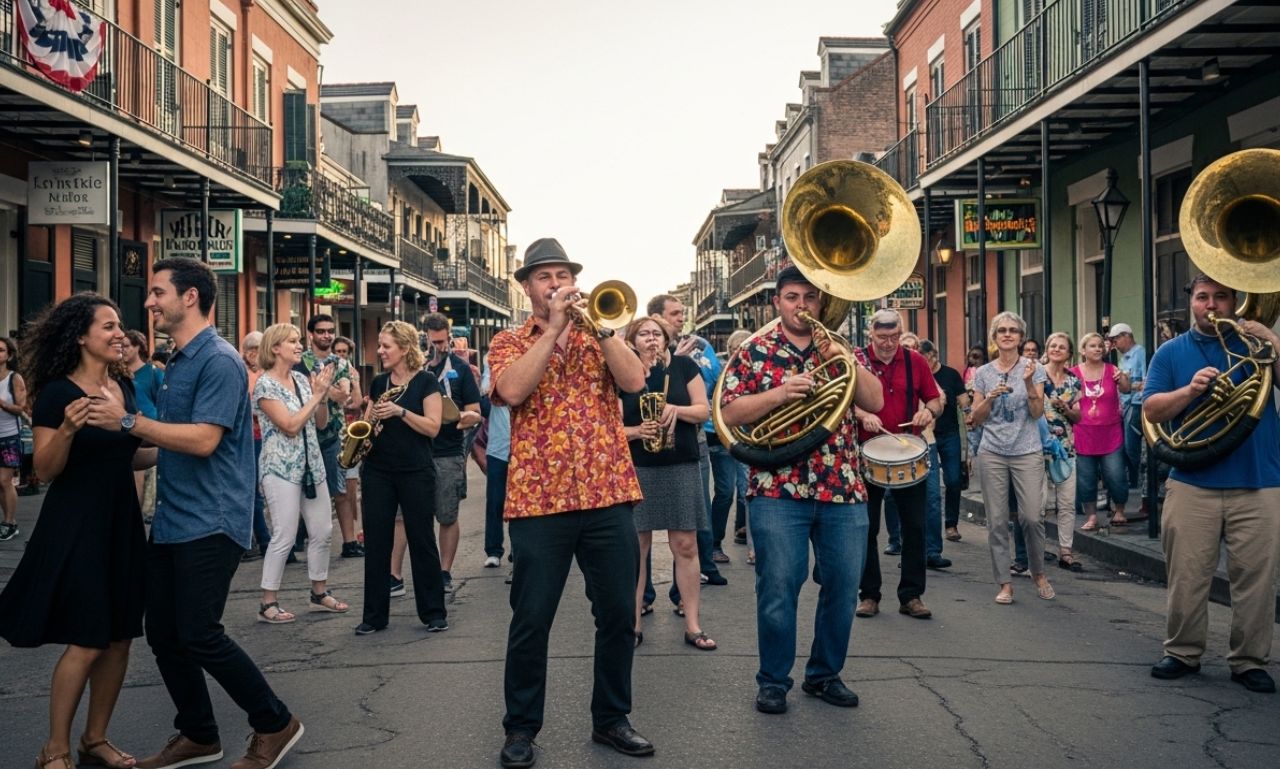
New Orleans is one of the most vibrant and culturally rich cities in the United States. Known for its music, cuisine, festivals, and historic architecture, New Orleans offers a unique blend of traditions shaped by centuries of diverse influences. Located along the Mississippi River, the city has become a global symbol of celebration, creativity, and resilience, attracting millions of visitors every year.
The History of New Orleans
The history of New Orleans dates back to its founding in 1718 by French colonists. The city’s name, derived from the French “La Nouvelle-Orléans,” honors the Duke of Orléans and reflects its European roots.
Colonial Influences
Over time, New Orleans was influenced by French, Spanish, and later American rule. Each period contributed to the city’s architecture, governance, and cultural identity. The blend of these influences is still visible today in the city’s buildings, language, and traditions.
A Cultural Melting Pot
The city developed into a diverse cultural hub, shaped by African, Caribbean, and European communities. This mix of cultures created a unique identity that distinguishes New Orleans from other American cities.
The Unique Culture of New Orleans
The culture of New Orleans is unlike anywhere else in the world. It is deeply rooted in traditions, music, and a spirit of celebration.
Birthplace of Jazz
New Orleans is widely recognized as the birthplace of jazz music. The genre emerged from a blend of African American musical traditions, blues, and European influences.
Today, live jazz can be heard throughout the city, especially in historic areas where musicians perform daily.
Festivals and Celebrations
Festivals are at the heart of New Orleans culture. Events like Mardi Gras and the French Quarter Festival draw huge crowds and showcase the city’s love for music, food, and celebration. The French Quarter Festival alone features hundreds of musicians and attracts massive attendance each year.
The Famous French Quarter of New Orleans
One of the most iconic areas in New Orleans is the French Quarter, also known as the Vieux Carré.
Historic Landmarks
The French Quarter is home to landmarks such as Jackson Square, St. Louis Cathedral, and the historic French Market. These sites reflect the colonial history and architectural beauty of New Orleans.
Nightlife and Entertainment
The area is also famous for its vibrant nightlife, with streets filled with music, restaurants, and entertainment venues. Visitors come from around the world to experience the lively atmosphere that defines New Orleans.
The Cuisine of New Orleans
Food is an essential part of life in New Orleans, offering flavors that reflect its diverse cultural heritage.
Signature Dishes
The cuisine of New Orleans includes famous dishes such as gumbo, jambalaya, and po’ boy sandwiches. These meals combine influences from French, Spanish, African, and Caribbean cooking traditions.
A Unique Culinary Identity
Local specialties like beignets and seafood dishes make New Orleans a top destination for food lovers. The city’s culinary scene continues to attract chefs and tourists alike.
Music and Arts in New Orleans
Music and art are deeply woven into the identity of New Orleans.
Live Music Scene
From street performances to concert halls, New Orle ans offers a thriving music scene. Jazz, blues, and funk are commonly heard, creating an atmosphere that celebrates artistic expression.
Museums and Galleries
The city is home to several museums and cultural institutions, including the New Orl eans Museum of Art, which showcases a wide range of artistic works and history.
Traditions and Spiritual Heritage
New Orleans is also known for its unique spiritual traditions and folklore.
Voodoo Culture
One of the most fascinating aspects of New Orlea ns is its connection to Voodoo. The New Orle ans Historic Voodoo Museum highlights the history and cultural significance of this tradition.
Cultural Celebrations
Religious and cultural celebrations, such as St. Joseph’s Day, reflect the city’s diverse heritage and community spirit.
Challenges and Resilience of New Orleans
Despite its beauty and cultural richness, New Orle ans has faced significant challenges throughout its history.
Natural Disasters
The city has been impacted by hurricanes and flooding, which have tested its resilience. However, New Orle ans has consistently rebuilt and preserved its cultural identity.
A Spirit of Recovery
The strength and determination of its residents have played a crucial role in the city’s recovery and continued growth.
The Modern Appeal of New Orleans
Today, New Orlea ns remains a top travel destination known for its unique charm and vibrant lifestyle.
Tourism and Economy
Tourism plays a major role in the economy of New Orl eans, with millions of visitors exploring its historic sites, festivals, and culinary offerings each year.
A City Like No Other
What sets New Orlea ns apart is its ability to blend history, culture, and modern attractions seamlessly. The city continues to evolve while staying true to its roots.
Conclusion
New Orl eans is more than just a city—it is a living expression of culture, history, and creativity. From its origins as a French colony to its status as a global cultural hub, New Orle ans has remained a place of innovation and celebration. Its music, food, traditions, and resilient spirit make it one of the most fascinating destinations in the world. Whether you are drawn by its festivals, cuisine, or history, New Orl eans offers an unforgettable experience that continues to inspire visitors from around the globe.