
 By admin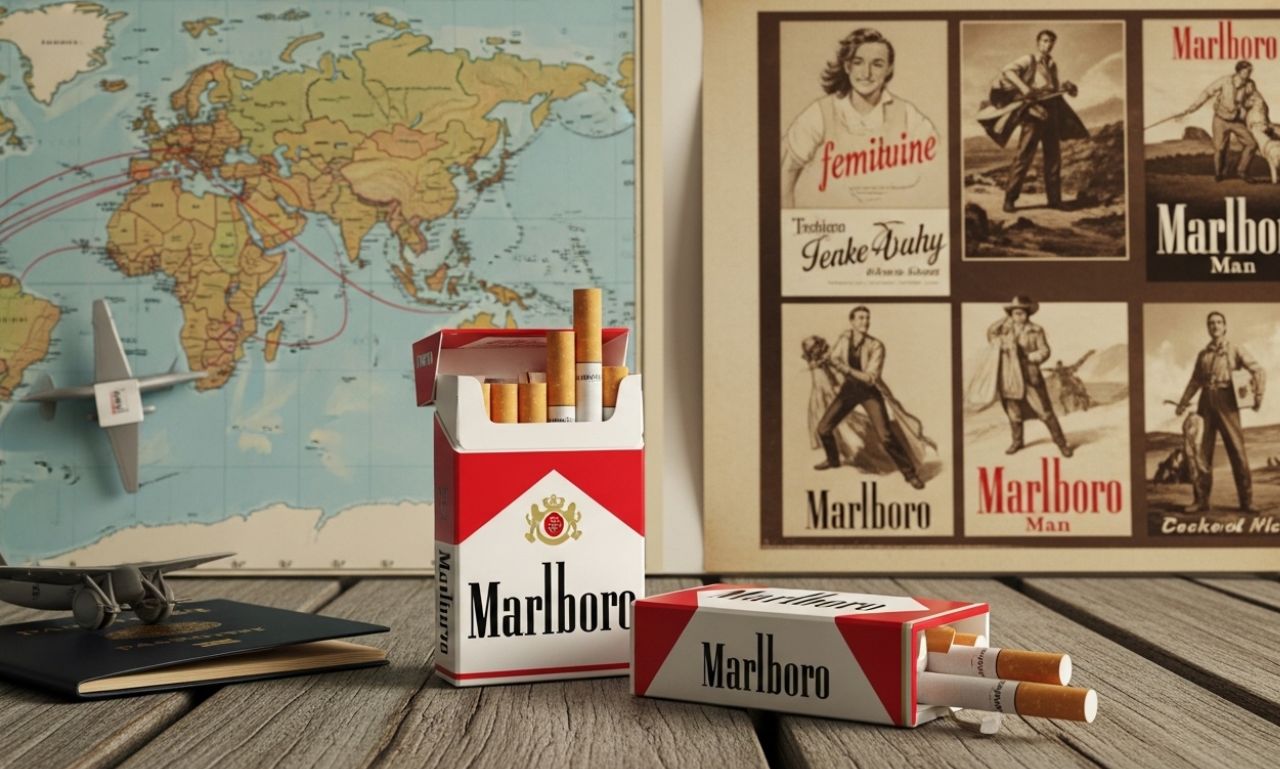
Marlboro is one of the most recognizable cigarette brands in the world, known for its bold marketing, distinctive packaging, and long-standing presence in the tobacco industry. Over the decades, Marlboro has evolved from a relatively modest product into a global powerhouse brand. Its advertising strategies, particularly the rugged “Marlboro Man” campaign, reshaped tobacco marketing and made it a symbol of independence and masculinity.
In this comprehensive article, we explore the origins of Marlboro, its branding evolution, global expansion, controversies, and its place in modern society.
The Origins of Marlboro
How Marlboro Began
Marlboro was introduced in 1924 by Philip Morris International. Initially, the brand was marketed toward women, with advertising slogans emphasizing mildness and elegance. At the time, filtered cigarettes were often seen as refined or fashionable.
However, Marlboro did not achieve major success during its early years. It wasn’t until the mid-20th century that the brand underwent a dramatic transformation that changed its trajectory forever.
The Marlboro Man Campaign
The Marketing Strategy That Defined Marlboro
In the 1950s, concerns about smoking and health began to rise. Filtered cigarettes were introduced as a perceived safer alternative. Marlboro repositioned itself as a filtered cigarette for men, breaking the stereotype that filters were feminine.
This shift led to the creation of the “Ma rlboro Man,” a rugged cowboy figure representing strength, independence, and freedom. The campaign became one of the most successful advertising strategies in history.
The cowboy imagery resonated deeply with American culture and expanded globally. Mar lboro quickly became the leading cigarette brand in the United States and many other countries.
Marlboro’s Iconic Packaging
The Red and White Design of Marlboro
One of the most distinctive aspects of Mar lboro is its red-and-white packaging. Designed for instant recognition, the bold chevron logo became a symbol of the brand’s identity.
The packaging was intentionally strong and masculine in appearance, reinforcing the brand’s rugged image. Over time, the design became so iconic that even in markets with strict advertising restrictions, the packaging itself served as powerful brand recognition.
Global Expansion of Marlboro
Marlboro Around the World
Mar lboro expanded rapidly beyond the United States, becoming a global brand. Today, it is sold in numerous countries across Europe, Asia, Africa, and Latin America.
International growth was supported by consistent branding and strong distribution networks. Despite varying regulations and cultural attitudes toward smoking, Marl boro maintained its position as a leading cigarette brand in many markets.
Its global presence has made it one of the highest-selling cigarette brands worldwide.
Marlboro and Sports Sponsorship
The Connection Between Marlboro and Motorsport
During the late 20th century, Marl boro became closely associated with motorsports, particularly Formula One racing. The brand sponsored major teams and drivers, increasing its visibility among sports audiences.
One notable partnership was with Scuderia Ferrari, where Mar lboro branding appeared prominently on racing cars and uniforms. These sponsorships strengthened Marlb oro’s image as bold and performance-driven.
However, increasing tobacco advertising restrictions eventually limited such sponsorships in many countries.
Health Concerns and Controversies
The Debate Surrounding Marlboro
Like all tobacco products, Marl boro has faced significant criticism due to the health risks associated with smoking. Scientific research has established strong links between smoking and serious diseases, including lung cancer and heart disease.
Governments worldwide have introduced regulations requiring warning labels, restricting advertising, and implementing plain packaging laws. These measures have reduced traditional marketing opportunities for brands like Marl boro.
Despite these restrictions, the brand remains widely recognized due to decades of powerful marketing.
Regulatory Changes and Modern Challenges
How Marlboro Adapts to Changing Laws
Tobacco regulations have tightened globally over the past few decades. Advertising bans, graphic health warnings, and public smoking restrictions have reshaped the industry.
In response, companies associated with Marl boro have explored alternative products, including reduced-risk and smoke-free options. The tobacco industry continues to evolve as consumer preferences shift and regulations increase.
These changes have significantly altered how Marl boro operates compared to its early advertising-heavy years.
Cultural Impact of Marlboro
Marlboro as a Symbol in Popular Culture
Beyond its commercial success, Marl boro has had a notable cultural impact. The Marl boro Man became a representation of classic American individualism. The imagery influenced advertising strategies far beyond the tobacco industry.
Even as smoking rates decline in many regions, the brand remains an example of how strategic marketing can create a lasting identity.
The legacy of Mar lboro demonstrates the power of branding, storytelling, and visual symbolism in shaping consumer perception.
The Future
What Lies Ahead for
As global awareness about health continues to grow, the future of traditional cigarettes faces uncertainty. Companies connected to Ma rlboro are investing in alternative nicotine delivery systems and smoke-free technologies.
Changing consumer behavior, stricter regulations, and public health campaigns will continue to influence the brand’s direction. While Marl boro remains iconic, the tobacco industry’s landscape is very different from what it was decades ago.
Adaptation and innovation will determine how the brand evolves in the coming years.
Conclusion:
Marlb oro stands as one of the most influential cigarette brands in history. From its early beginnings to the revolutionary Marl boro Man campaign, the brand transformed itself into a global icon. Its red-and-white packaging, motorsport sponsorships, and strong marketing strategies contributed to its worldwide recognition.
However, Ma rlboro’s legacy is also intertwined with ongoing public health debates and regulatory challenges. As attitudes toward smoking continue to shift, the brand represents both the power of marketing and the complexities of the tobacco industry.
Understanding Marlbo ro provides insight into how branding, culture, and regulation intersect in shaping global consumer markets.