
 By admin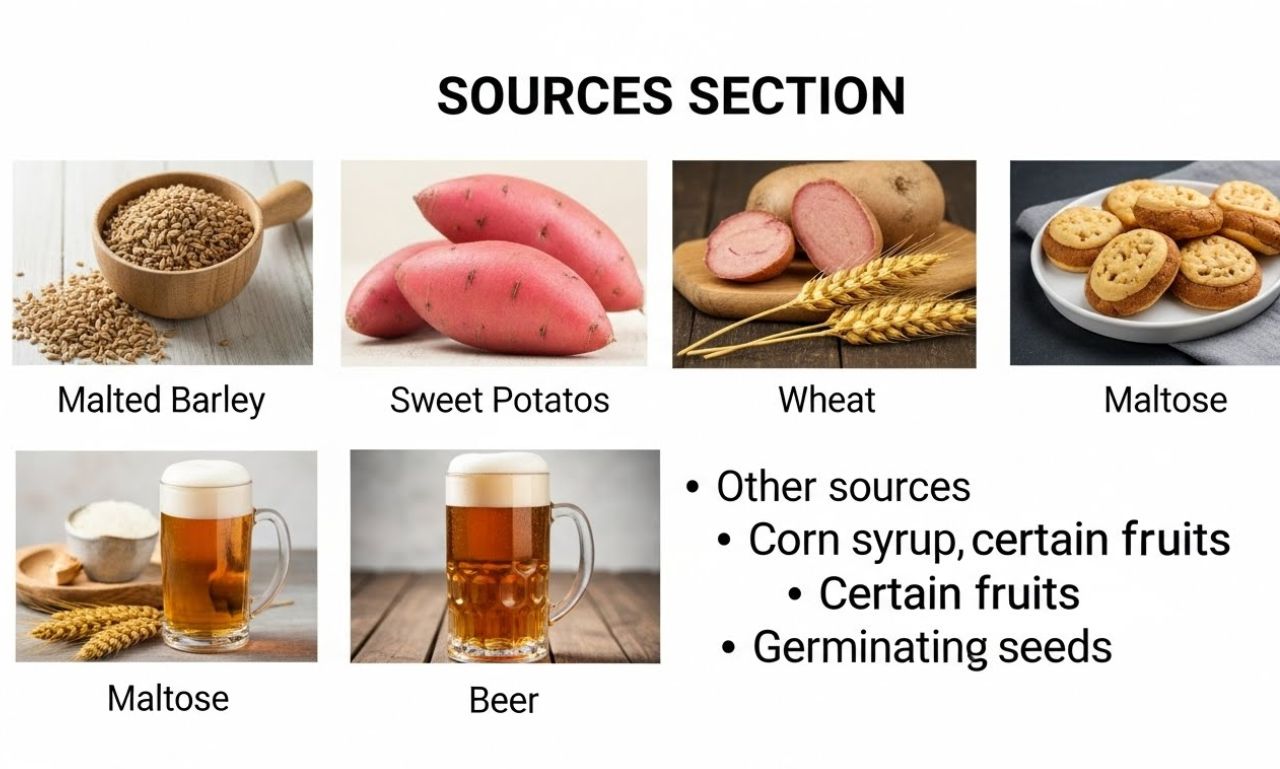
Maltose is a naturally occurring carbohydrate that plays an important role in nutrition, food science, and biochemistry. Commonly known as malt sugar, maltose is a disaccharide formed during the breakdown of starch. It is widely used in food products, brewing, and biological processes, making it an essential compound to understand. This article explores maltose in detail, including its structure, sources, uses, and health implications.
What Is Maltose?
Malto se is a type of sugar composed of two glucose molecules linked together by an alpha-1,4-glycosidic bond. As a disaccharide, malto se is more complex than simple sugars like glucose but simpler than polysaccharides such as starch.
Malto se is produced naturally when enzymes break down starch during digestion or food processing. Because of this, it commonly appears in germinating grains, malted foods, and fermented products.
Chemical Structure of Maltose
The molecular formula of malto se is C₁₂H₂₂O₁₁. Its structure consists of:
-
Two glucose units
-
A glycosidic bond connecting the molecules
-
A reducing end, which gives malt ose reducing sugar properties
This structure allows malto se to be easily broken down by enzymes such as maltase, making it a readily available energy source for the body.
Natural Sources of Maltose
Maltose occurs naturally in a variety of foods, especially those derived from grains and starch-rich plants. Common sources include:
-
Malted barley and wheat
-
Cereals and grains
-
Sweet potatoes
-
Corn syrup
-
Beer and malt-based beverages
During the malting process, starches in grains are converted into malto se, which is why malted foods often have a mild sweetness.
Maltose in Digestion and Metabolism
During digestion, complex carbohydrates like starch are broken down into simpler sugars. One of the intermediate products in this process is mal tose. The enzyme maltase, found in the small intestine, converts mal tose into two glucose molecules.
These glucose molecules are then absorbed into the bloodstream and used by the body for energy. This makes malt ose an important part of carbohydrate metabolism.
Uses of Maltose in Food and Industry
Food Industry
Mal tose is widely used as a sweetener and flavor enhancer. It provides a mild sweetness that is less intense than sucrose, making it suitable for baked goods, candies, and desserts.
Brewing and Fermentation
In brewing, mal tose is a key fermentable sugar. Yeast converts mal tose into alcohol and carbon dioxide, playing a major role in beer production.
Confectionery and Baking
Maltose helps improve texture, color, and moisture retention in baked products. It also contributes to browning through the Maillard reaction.
Pharmaceutical and Medical Uses
Maltose is sometimes used in intravenous solutions and medical formulations as a carbohydrate source.
Health Effects of Maltose
Benefits
-
Provides quick energy due to easy digestion
-
Supports physical activity and endurance
-
Naturally derived from grains and starches
Considerations
Despite its benefits, mal tose has a high glycemic index. This means it can raise blood sugar levels rapidly. People with diabetes or insulin sensitivity should monitor their intake of mal tose-rich foods.
Excessive consumption may contribute to weight gain if not balanced with physical activity and a healthy diet.
Maltose vs Other Sugars
Compared to other sugars:
-
Mal tose is less sweet than sucrose
-
It breaks down faster than lactose
-
It raises blood sugar more quickly than fructose
These differences make ma ltose suitable for specific dietary and industrial applications but less ideal for low-glycemic diets.
Role of Maltose in Science and Education
In biochemistry and nutrition studies, maltose is often used to explain carbohydrate digestion and enzyme activity. Its simple structure makes it an excellent example for understanding disaccharides and metabolic pathways.
Conclusion
Maltose is an important natural sugar with significant roles in digestion, food production, and fermentation. Found in grains, malted products, and starch-rich foods, it serves as a quick energy source and a valuable ingredient in many industries. While maltose offers nutritional benefits, moderation is key due to its impact on blood sugar levels. Understanding maltose helps in making informed dietary and health choices.