
 By admin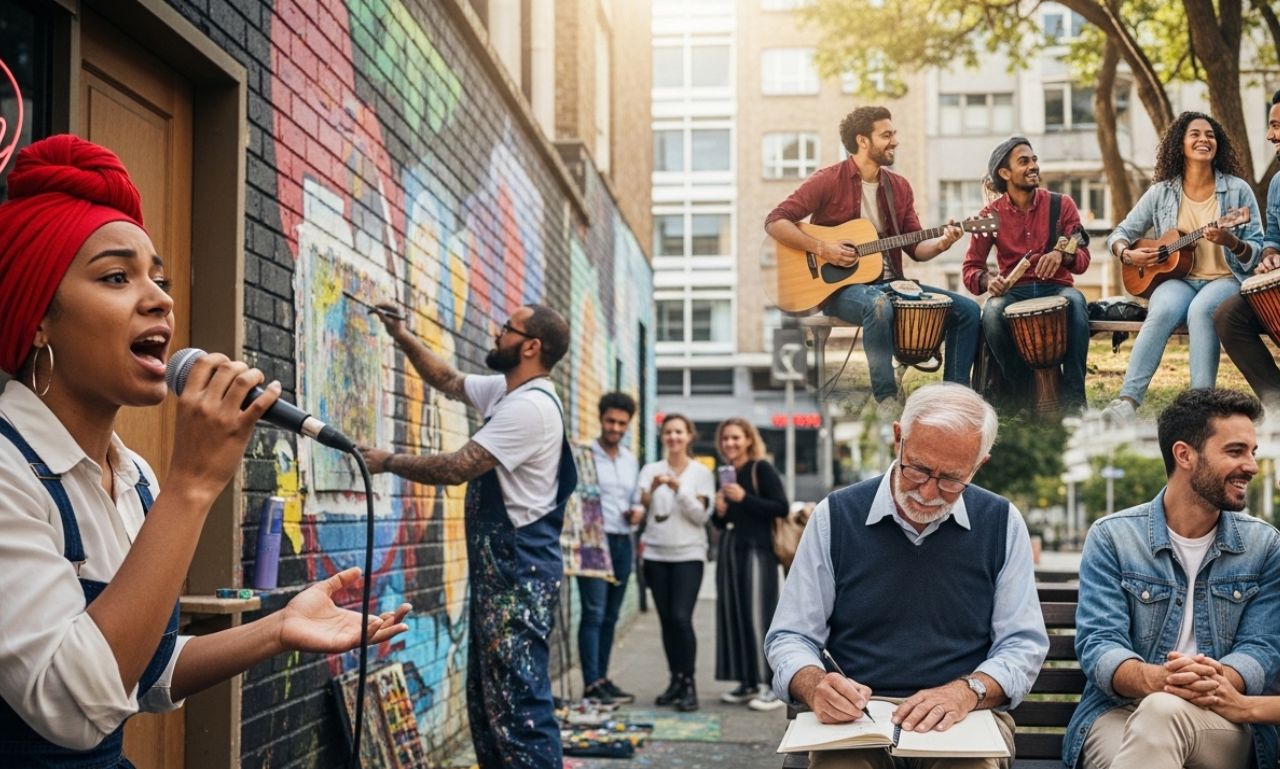
Expression is one of the most essential elements of human existence. From the earliest cave paintings to modern digital communication, expression has allowed individuals to share thoughts, emotions, and ideas with the world. Whether spoken, written, visual, or physical, expression serves as a bridge between the inner self and the external environment. Without expression, communication would lose depth, creativity would diminish, and personal identity would struggle to form.
At its core, expression is about making internal experiences visible or understandable to others. It reflects personality, beliefs, culture, and emotions. Every smile, poem, speech, or artwork represents a form of expression that contributes to human connection. In today’s interconnected world, the importance of meaningful expression has only grown stronger.
The Meaning and Importance of Expression
Expression can be defined as the act of conveying thoughts, feelings, or information. It goes beyond simple communication because it often carries emotional and personal significance. When someone shares their ideas openly, they are not just transmitting information; they are revealing a part of themselves.
The importance of expression lies in its ability to foster understanding. It allows people to clarify intentions, resolve conflicts, and build relationships. In personal and professional settings, clear expression strengthens trust and cooperation. When individuals can articulate their needs and emotions effectively, misunderstandings decrease and empathy increases.
Furthermore, expression plays a key role in mental well-being. Bottled-up emotions can lead to stress and anxiety, while healthy outlets for expression—such as journaling, conversation, or creative arts—provide relief and clarity. Psychologists often encourage expressive activities as a method of emotional regulation and self-discovery.
Types of Expression in Daily Life
Verbal Expression
Verbal expression includes spoken words used to communicate ideas and emotions. Conversations, speeches, presentations, and debates all rely on verbal skills. Effective verbal expression requires clarity, tone awareness, and active listening. In social and professional environments, strong verbal abilities can influence leadership, negotiation, and collaboration.
Public speaking is a powerful example of verbal expression. A well-delivered speech can inspire, educate, or motivate audiences. The impact of words, when expressed confidently and authentically, can shape opinions and spark change.
Written Expression
Written expression allows individuals to organize and communicate thoughts through text. Essays, emails, articles, and books are common examples. Writing provides time for reflection, making it a thoughtful form of expression. It enables deeper exploration of ideas and preserves knowledge for future generations.
In academic and professional settings, written expression demonstrates clarity of thought and analytical ability. Strong writing skills contribute to career success and intellectual development.
Artistic Expression
Artistic expression includes painting, music, dance, photography, and other creative forms. Unlike direct communication, artistic expression often conveys meaning through symbolism and emotion. It transcends language barriers and connects people across cultures.
Music, for example, can evoke powerful feelings without a single spoken word. Similarly, visual art can communicate complex ideas through color, shape, and composition. Artistic expression encourages creativity and imagination while providing emotional release.
Nonverbal Expression
Nonverbal expression involves body language, facial expressions, gestures, and posture. A simple nod, smile, or frown can communicate emotions instantly. Research shows that nonverbal cues often carry more weight than spoken words in communication.
Understanding nonverbal expr ession improves interpersonal skills. Being aware of body language helps individuals interpret others’ emotions accurately and respond appropriately.
Expression and Personal Identity
Exp ression is closely connected to identity. The way individuals dress, speak, and behave reflects their values and beliefs. Personal style, hobbies, and creative preferences are outward forms of internal identity.
Through exp ression, people assert individuality. It allows them to stand out while connecting with like-minded individuals. Social movements throughout history have relied on collective exp ression to advocate for change and equality. When individuals feel free to express themselves, societies become more diverse and innovative.
At the same time, fear of judgment can limit expr ession. Cultural norms and social expectations sometimes discourage open communication. Overcoming these barriers requires confidence and supportive environments that encourage authenticity.
The Role of in Creativity and Innovation
Creativity thrives on expr ession. New ideas emerge when individuals feel comfortable sharing perspectives. In business, innovation often results from open dialogue and collaborative expre ssion. Teams that encourage diverse viewpoints tend to develop more effective solutions.
Creative industries—such as literature, film, and design—depend entirely on expressive talent. Writers transform ideas into narratives, filmmakers visualize stories, and designers communicate concepts through visuals. Without exp ression, creativity would remain internal and unrealized.
Educational systems a lso emphasize expressive skills to nurture innovation. Encouraging students to write, present, and create fosters critical thinking and problem-solving abilities. Exp ression becomes a tool for exploration and discovery.
Digital Expression in the Modern Era
The digital age has transformed how expressi on is shared. Social media platforms, blogs, and video content allow instant global communication. People can share opinions, artwork, and experiences with audiences worldwide.
Digital expre ssion has both advantages and challenges. On one hand, it empowers voices that may have been unheard in traditional media. On the other hand, online communication sometimes lacks nuance, leading to misunderstandings.
Responsible digital expre ssion requires awareness and empathy. Choosing words carefully and respecting diverse perspectives ensures that online interactions remain constructive.
Barriers to Healthy
Despite its importance, expre ssion is not always easy. Fear of criticism, cultural restrictions, and lack of confidence can prevent individuals from sharing thoughts openly. Some people struggle to articulate emotions due to limited vocabulary or communication skills.
Developing healthy expre ssion involves practice and self-awareness. Activities such as journaling, public speaking workshops, and creative hobbies help build confidence. Supportive communities also play a significant role in encouraging openness.
Parents and educators can nurture expressive abilities by creating safe spaces for discussion. When individuals feel heard and respected, they are more likely to communicate honestly.
Cultivating Better Skills
Improving expre ssion requires intentional effort. Here are several practical strategies:
-
Active Listening: Understanding others enhances your ability to respond effectively.
-
Expanding Vocabulary: Reading regularly strengthens verbal and written exp ression.
-
Practicing Reflection: Journaling clarifies thoughts and emotions.
-
Engaging in Creative Activities: Art, music, or storytelling boost imaginative exp ression.
-
Seeking Feedback: Constructive feedback improves clarity and confidence.
Consistency is key. The more individuals practice expr ession, the more natural it becomes. Over time, communication becomes clearer, relationships deepen, and self-awareness grows.
Conclusion:
Exp ression is not merely a communication tool; it is a fundamental human need. It shapes identity, strengthens relationships, and fuels creativity. From verbal conversations to artistic creations, expre ssion connects people across cultures and generations.
In a rapidly changing world, the ability to express ideas clearly and respectfully is invaluable. Whether through writing, speaking, or art, meaningful ex pression builds understanding and promotes growth. By embracing authentic ex pression, individuals unlock their potential and contribute positively to society.
Ultimately, exp ression empowers individuals to share their stories, inspire others, and leave lasting impressions. It remains one of the most powerful forces in human development and connection.