
 By admin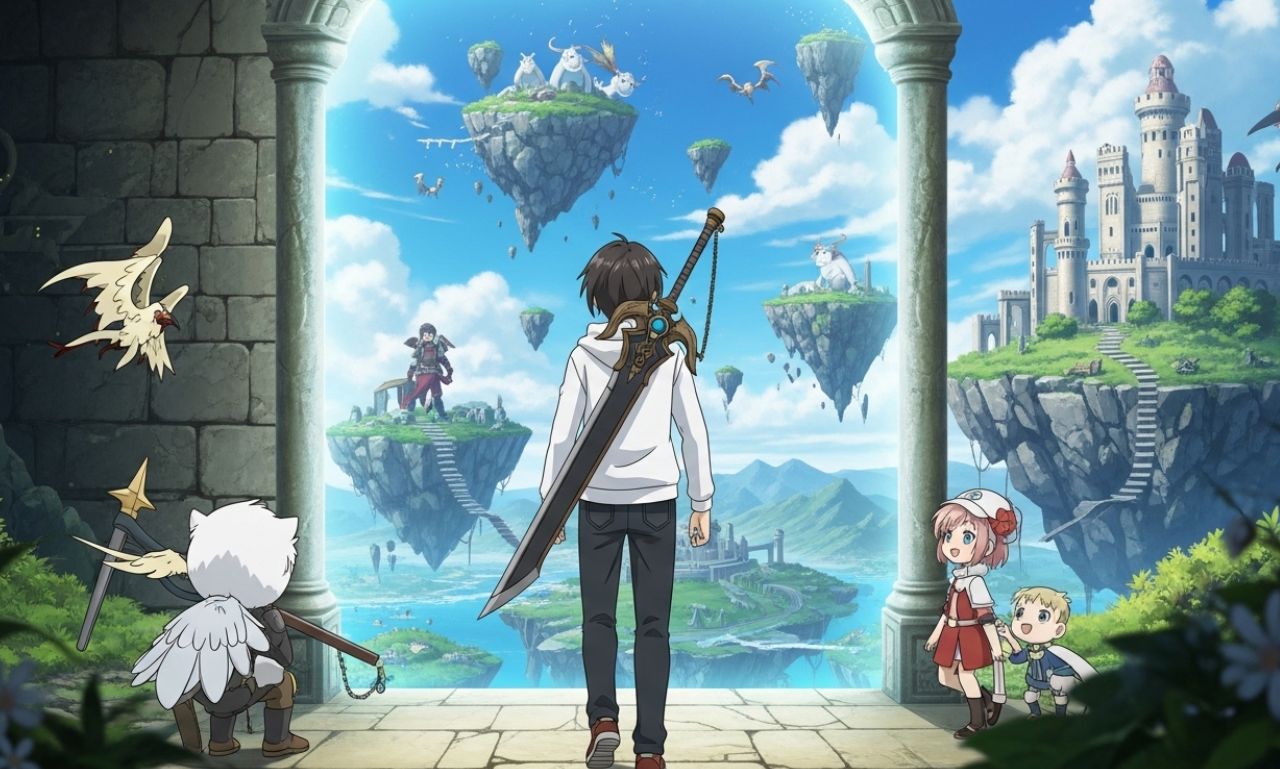
Anime has become one of the most influential forms of entertainment worldwide. With its diverse storytelling, vibrant art styles, and unique cultural elements, anime has cultivated a massive and dedicated fanbase. Understanding the most popular anime subgenres and their impact on fandom culture offers insight into how this art form shapes communities, trends, and online content. This article will explore key anime subgenres, their defining characteristics, and the ways they influence global fandom culture.
What Makes Anime Unique?
Anime differs from other forms of animation through its artistic style, storytelling complexity, and cultural depth. Unlike typical Western animation, which often focuses on younger audiences, anime covers a wide range of genres, appealing to children, teens, and adults. This versatility allows fans from all walks of life to connect with content that resonates with them personally.
Popular Anime Subgenres
1. Shonen
Shonen anime is targeted primarily at young male audiences, but it is widely enjoyed across genders. These shows often emphasize action, adventure, and coming-of-age stories.
Characteristics of Shonen Anime:
-
High-energy battles and competitions
-
Friendship, perseverance, and teamwork themes
-
Young male protagonists overcoming challenges
Examples: Naruto, One Piece, My Hero Academia
Shonen anime has influenced fandom culture by inspiring fan art, cosplay, and fanfiction. Online communities often celebrate the heroic journeys and moral lessons portrayed in these stories.
2. Shojo
Shojo anime targets young female audiences and often explores romance, personal growth, and relationships. These shows focus on emotional storytelling and character development.
Characteristics of Shojo Anime:
-
Romantic or emotional plotlines
-
Strong focus on character relationships
-
Often includes stylish or expressive animation
Examples: Sailor Moon, Fruits Basket, Ouran High School Host Club
Shojo anime has fostered communities centered around character discussion, relationship analysis, and creative expression through fan art or social media content.
3. Seinen
Seinen anime caters to older teens and adult men, often featuring more mature themes, complex characters, and realistic scenarios. Seinen series explore philosophical questions, moral ambiguity, or social commentary.
Characteristics of Seinen Anime:
-
Mature storytelling with nuanced characters
-
Darker or more realistic tones
-
Themes may include politics, war, or existential questions
Examples: Attack on Titan, Tokyo Ghoul, Monster
Seinen fandom culture often revolves around deep discussion, analysis, and exploration of themes, with online forums and review communities being especially popular.
4. Isekai
Isekai is a genre where characters are transported to another world, often filled with fantasy or game-like elements. This genre has seen explosive growth in recent years.
Characteristics of Isekai Anime:
-
Alternate world settings with magical or fantastical elements
-
Adventure-driven plots with personal growth
-
Often includes RPG-style mechanics or quests
Examples: Sword Art Online, Re:Zero, That Time I Got Reincarnated as a Slime
Isekai anime has influenced online fan culture through role-playing, fan fiction, and community-building in forums where fans discuss theories and story arcs.
5. Slice of Life
Slice of Life anime portrays everyday experiences, emphasizing realism and character development. These shows focus on ordinary moments that resonate with viewers personally.
Characteristics of Slice of Life Anime:
-
Everyday scenarios with relatable characters
-
Focus on dialogue, emotions, and relationships
-
Often lighthearted, reflective, or heartwarming
Examples: Clannad, March Comes in Like a Lion, Barakamon
Slice of Life anime has influenced fandoms by encouraging discussion around life lessons, emotional experiences, and relatable content, inspiring art and social media posts celebrating everyday moments.
How Anime Subgenres Influence Fandom Culture
1. Fan Communities and Social Media
Anime subgenres create dedicated online communities. Fans discuss plotlines, share fan art, create memes, and even produce fanfiction. Subreddit communities, Discord servers, and fan blogs often center around specific subgenres or series.
2. Cosplay and Conventions
Cosplay is heavily influenced by anime subgenres. Fans dress as their favorite characters from Shonen, Shojo, or Isekai series at conventions like Anime Expo or Comic-Con. These events foster creativity, social interaction, and fandom celebration.
3. Creative Expression
Anime inspires creativity beyond cosplay. Fans create artwork, videos, music remixes, and merchandise. Subgenres like Isekai or Shonen often drive narrative creativity, while Shojo inspires artistic depictions of relationships and emotions.
The Global Impact of Anime
Anime is no longer confined to Japan. International streaming services, such as Crunchyroll, Netflix, and Funimation, have made anime accessible worldwide. The diversity of subgenres ensures there is content for every interest, allowing global fandom culture to thrive.
Through anime, fans experience new cultures, storytelling methods, and artistic styles, creating a shared appreciation that crosses borders. These communities often foster collaboration, discussion, and creativity on a global scale.
Conclusion
Anime subgenres are more than just categories; they are cultural forces that shape fandoms, online communities, and creative expression. From the action-packed Shonen series to the reflective Slice of Life stories, each subgenre offers something unique to its audience. By exploring these genres, we can understand the influence of anime on global culture, fan creativity, and the way communities connect around shared interests.
Anime fandoms thrive because they are inclusive, imaginative, and deeply engaging, making them a dynamic force in entertainment and culture worldwide.