
 By admin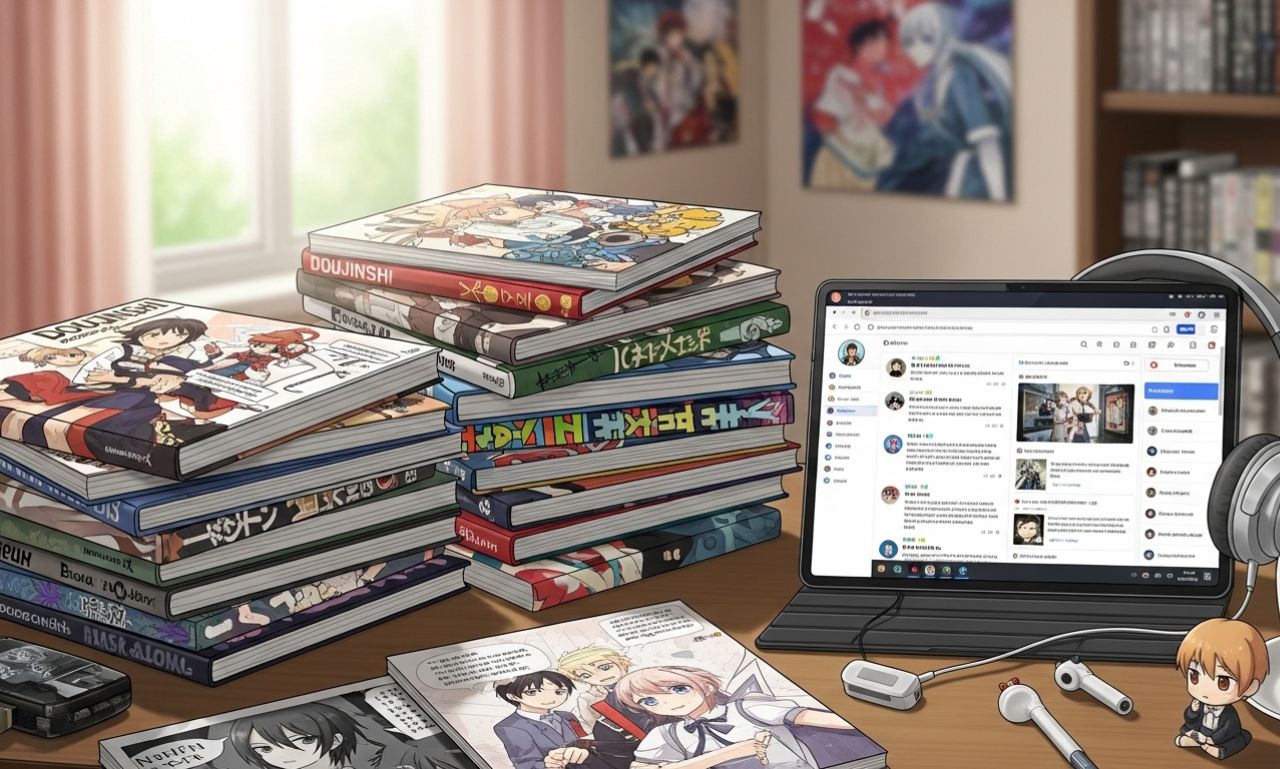
Doujinshi is a central part of anime and manga fan culture, allowing fans to express their creativity, share stories, and connect with communities online and at conventions. While often misunderstood, doujinshi represents an important aspect of Japanese pop culture and its global fandom. From amateur artists to seasoned creators, doujinshi provides a space for storytelling, artistic experimentation, and community engagement.
This article explores doujinshi, its history, cultural significance, fan communities, and the impact it has on anime fandom worldwide.
What is Doujinshi?
Doujinshi refers to self-published works, typically created by fans of anime, manga, or video games. These works can include comics, novels, illustrations, and other creative content. Unlike officially published manga, doujinshi is produced independently and often distributed at fan conventions, online marketplaces, or through small independent circles known as circles.
Doujinshi allows creators to explore:
-
Alternate storylines for favorite characters
-
Original characters and universes
-
Experimental art styles and narratives
Because doujinshi is not commercially bound, it offers fans creative freedom and fosters innovation in storytelling.
The History of Doujinshi
The tradition of doujinshi dates back to the early 20th century in Japan, but its connection to anime and manga fandom grew in the 1970s and 1980s. Early doujinshi were often printed fanzines that reimagined popular manga or anime stories. With the rise of popular series like Dragon Ball, Sailor Moon, and Pokémon, doujinshi creators gained opportunities to reach larger audiences.
The advent of the internet in the late 1990s and early 2000s revolutionized doujinshi distribution. Online platforms and fan forums allowed creators to share their work with a global audience, sparking international fan communities and collaborations.
Doujinshi and Fan Communities
Circles and Conventions
In Japan, doujinshi is often produced by circles, groups of artists and writers who collaborate on works. These circles play a major role in fan conventions such as Comiket (Comic Market) in Tokyo, one of the world’s largest gatherings of doujinshi creators and fans. At conventions, creators can sell their works directly to readers, network with other artists, and build their fanbase.
Online Communities
Globally, online communities have become a hub for doujinshi sharing. Platforms like Pixiv, Twitter, and fan forums allow creators to:
-
Showcase artwork and stories
-
Receive feedback from fans
-
Collaborate on projects remotely
These communities not only support creative growth but also foster cultural exchange, introducing doujinshi to international audiences.
Types of Doujinshi
Dou jinshi is diverse in form and content. Some common types include:
-
Fanworks (Parodies) – Retellings or alternative versions of existing anime/manga series.
-
Original Works – Completely new stories, characters, and universes.
-
Artbooks – Collections of illustrations by a single artist or circle.
-
Novels – Written dou jinshi exploring new stories or perspectives.
The flexibility in content allows creators to experiment with genres, from romance and comedy to action and fantasy, catering to a wide variety of readers.
Cultural Significance of Doujinshi
Dou jinshi holds cultural importance in several ways:
-
Creative Freedom – Fans can explore stories and themes not possible in mainstream publishing.
-
Skill Development – Many professional manga artists start by creating dou jinshi, honing their craft.
-
Community Building – Dou jinshi fosters connections between creators and fans, both locally and globally.
-
Preservation of Fandom – Fan works keep beloved series alive and encourage ongoing discussion and creativity.
Through dou jinshi, fans actively participate in shaping the culture around anime and manga, contributing to its longevity and global influence.
Doujinshi in the Digital Era
The internet has dramatically transformed how dou jinshi is created, distributed, and consumed. Digital platforms allow creators to:
-
Publish works instantly to a global audience
-
Receive direct support through crowdfunding or donations
-
Protect copyrights while still engaging in fan creativity
Additionally, international fans can now enjoy dou jinshi translated into multiple languages, expanding its reach beyond Japan and creating global fan communities.
Ethical and Legal Considerations
While dou jinshi is primarily legal in Japan due to tolerance from original copyright holders, it raises questions regarding copyright and intellectual property. Most creators operate under the understanding that dou jinshi is non-commercial and meant for fan enjoyment rather than profit.
Internationally, fans and creators are encouraged to:
-
Respect original creators’ rights
-
Avoid direct commercial exploitation without permission
-
Share content responsibly on online platforms
These practices ensure that dou jinshi continues to thrive while maintaining ethical standards.
The Future
Dou jinshi continues to evolve alongside technology and global fandom trends. The rise of digital art, virtual conventions, and social media platforms enables creators to reach larger audiences while maintaining creative independence. With growing recognition of fan contributions, dou jinshi will likely remain a vital part of anime and manga culture for years to come.
Conclusion
Dou jinshi is more than just fan content; it is a vibrant form of artistic expression, a tool for storytelling, and a cornerstone of anime and manga culture. From its origins in printed fanzines to the digital age, dou jinshi empowers creators, strengthens communities, and fuels the global fandom. Understanding dou jinshi provides insight into how fans interact with media, build communities, and innovate creatively in the digital era.