
 By admin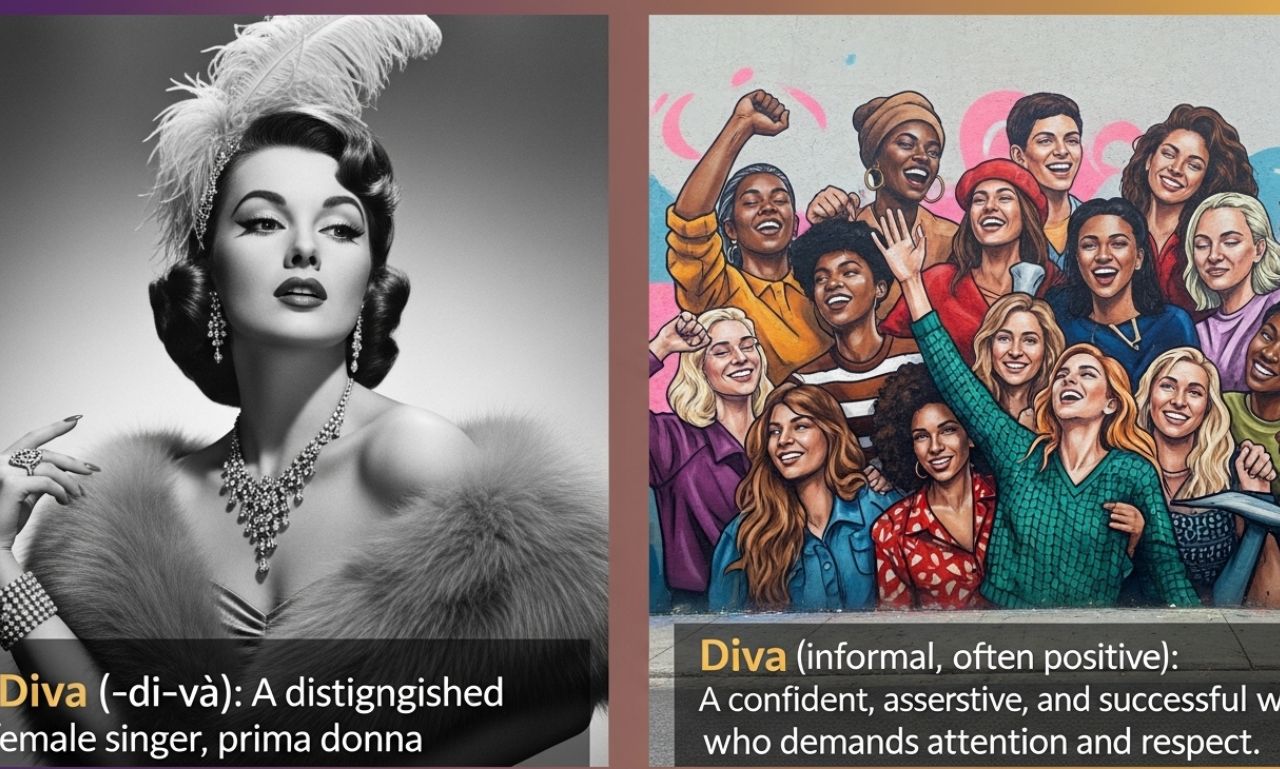
The term diva comes from the Italian word for “goddess” or “female deity.” Originally, it was used to describe celebrated female opera singers in the 18th and 19th centuries. These women were admired for their exceptional vocal talent, commanding stage presence, and dramatic flair.
Over time, diva extended beyond the opera stage. Today, it refers not just to singers but to any woman known for her extraordinary talent, confidence, and sometimes demanding personality.
The Traditional Diva Definition
Traditionally, a diva was someone who possessed:
-
Exceptional Talent: Primarily in music or performing arts, especially singing.
-
Charisma and Stage Presence: The ability to captivate an audience effortlessly.
-
Strong Personality: Often seen as confident, ambitious, or even demanding.
This definition emphasizes skill and excellence while recognizing the larger-than-life persona that makes a diva memorable.
Modern Usage of Diva
Today, the diva definition has expanded and can be applied in multiple contexts:
-
Entertainment Industry: Celebrities and performers known for their talent and distinctive personality. Examples include singers, actresses, and dancers.
-
Everyday Life: People sometimes use “diva” playfully to describe someone confident, stylish, or with high standards.
-
Pop Culture References: Social media and TV shows frequently call someone a diva to highlight bold behavior or assertiveness.
Modern divas are celebrated not only for talent but also for confidence, leadership, and individuality.
Characteristics of a Diva
A diva often embodies the following traits:
-
Confidence: She stands out in any crowd and isn’t afraid to express herself.
-
Passion: Dedicated to her craft or career with relentless commitment.
-
Influence: Inspires others through her talent, style, or personality.
-
High Standards: Often insists on excellence in work and personal life.
While some may view the term as negative, in many cases, being a diva is a sign of strength, professionalism, and self-assuredness.
Examples of Divas in Modern Culture
Some modern divas include iconic figures like Beyoncé, Madonna, and Lady Gaga, who are celebrated for their talent, fashion sense, and influence. Their persona combines artistry with confidence, perfectly fitting the diva definition in today’s culture.
Even outside entertainment, leaders or public figures with strong personalities and high standards may be referred to as divas—albeit sometimes humorously.
How to Embrace Your Inner Diva
Being a diva doesn’t mean being difficult—it’s about embracing your strengths and expressing yourself boldly. Tips to channel your inner diva include:
-
Be Confident: Own your talent and decisions.
-
Set High Standards: Strive for excellence in everything you do.
-
Express Yourself: Fashion, speech, and creativity are all part of your personal diva style.
-
Be Inspirational: Use your personality to uplift and inspire others.
By embodying these traits, anyone can be a modern-day diva without negative connotations.
Conclusion
The diva definition has evolved from describing opera superstars to encompassing confident, talented, and influential women across various fields. Whether in entertainment or daily life, a diva is someone who combines skill, confidence, and charisma. Understanding this term helps appreciate the impact and inspiration that divas bring to culture, society, and our personal lives.