
 By admin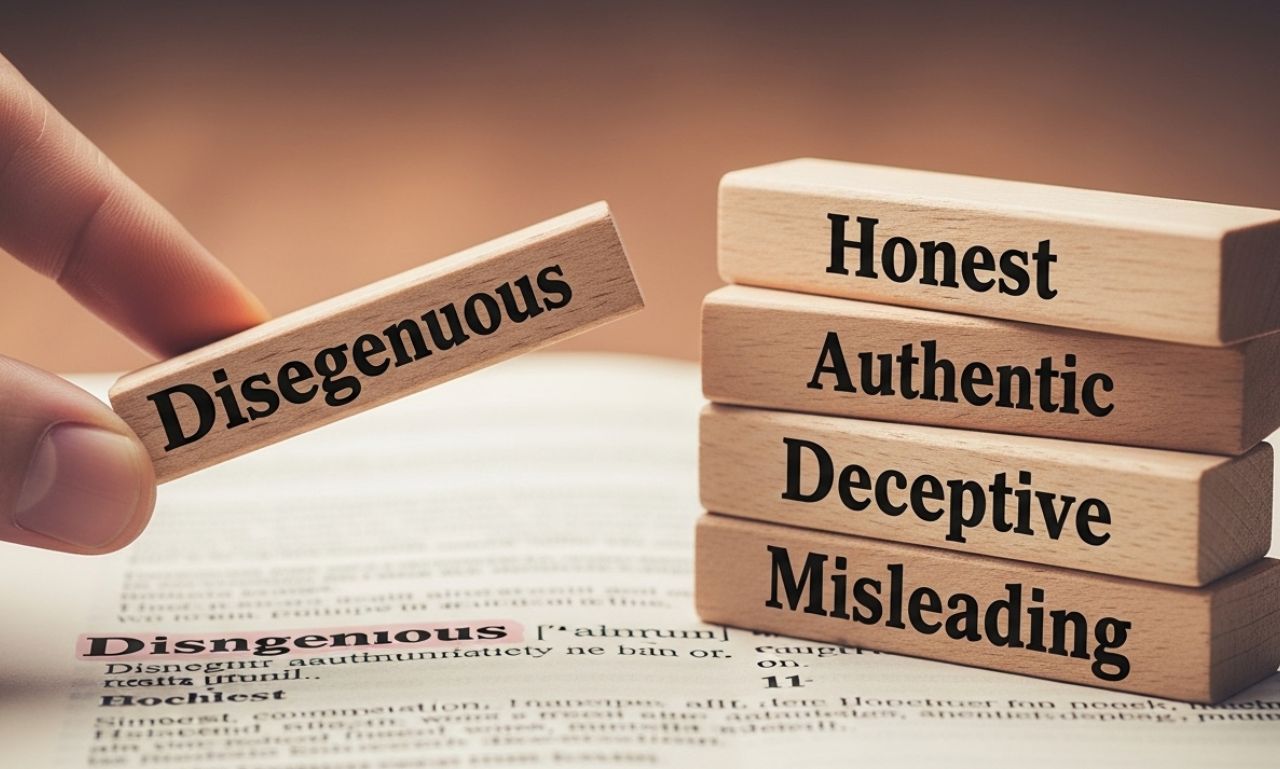
The word disingenuous is often used in everyday conversation, journalism, and literature, yet its meaning is frequently misunderstood or overlooked. At its core, being disingenuous refers to a lack of sincerity, honesty, or straightforwardness. People labeled as disingenuous may appear polite or agreeable on the surface, but their words or actions hide ulterior motives. Understanding what disingenuous behavior looks like is crucial, not only in personal relationships but also in professional, political, and social contexts.
What Does “Disingenuous” Really Mean?
The term disingenuous originates from the Latin word ingenuus, which means “freeborn” or “honest,” with the prefix dis- suggesting the opposite. Therefore, someone who is disingenuous is essentially not genuine, hiding their true intentions, or misleading others.
Disingenuous behavior differs from being outright deceitful or lying. While lying involves presenting false information as truth, disingenuousness often involves subtle manipulation, half-truths, or omission of key facts. For example, a colleague who praises your work while secretly undermining your efforts is disingenuous rather than purely dishonest.
Common Examples of Disingenuous Behavior
Understanding disingenuous behavior becomes easier when looking at practical examples:
-
Polite Flattery with Hidden Motives – Complimenting someone not out of genuine admiration but to gain favor or advantage.
-
Evasive Answers – Providing vague responses to avoid revealing the whole truth.
-
Pretending Ignorance – Claiming not to know something when the person does, in order to manipulate a situation.
-
Half-Truths – Sharing selective information to make a statement appear truthful while concealing critical details.
-
Feigning Concern – Acting worried or caring about someone’s well-being when the underlying motive is self-interest.
These examples illustrate that disingenuousness is often about subtlety rather than blatant dishonesty.
Disingenuous in Communication
Communication is an area where disingenuous behavior frequently appears. Politicians, advertisers, media figures, and even friends or colleagues can sometimes be disingenuous. In conversations, a disingenuous person might:
-
Use flattery or charm to manipulate the listener.
-
Avoid direct answers to difficult questions.
-
Employ exaggeration or selective facts to shape perception.
-
Pretend agreement while intending to act differently.
Recognizing disingenuous communication is vital to protect oneself from manipulation and to ensure relationships are built on honesty and trust.
Why People Act Disingenuously
There are various reasons why someone may behave in a disingenuous manner:
-
Personal Gain – To achieve an advantage, whether financial, social, or professional.
-
Conflict Avoidance – To sidestep confrontation or unpleasant truths.
-
Manipulation – To influence someone’s perception or decision-making.
-
Fear of Judgment – To avoid negative evaluation by hiding true feelings or thoughts.
While these motivations are understandable in some contexts, frequent disingenuousness can erode trust and damage long-term relationships.
How to Identify a Disingenuous Person
Spotting disingenuous behavior requires careful observation. Here are some indicators:
-
Inconsistency in Words and Actions – Their statements often don’t align with their behavior.
-
Excessive Compliments – Flattery that feels over the top or insincere.
-
Evasive or Ambiguous Responses – Avoiding straightforward answers.
-
Subtle Manipulation – Shaping conversations or situations to serve their interest.
-
Emotional Mismatches – Expressing emotions that seem exaggerated or out of place.
Developing the skill to identify disin genuous behavior helps in protecting personal and professional boundaries.
The Difference Between Disingenuous and Dishonest
It’s important to distinguish between disin genuous and outright dishonest behavior. Dishonesty usually involves telling lies or fabricating facts, while disin genuousness often involves hiding one’s true intentions or presenting a misleading impression.
For instance, a salesperson exaggerating the benefits of a product is dishonest. A coworker praising your ideas while intending to take credit later is dising enuous. Both can be harmful, but disi ngenuous behavior is often more subtle and harder to detect.
Dealing with Disingenuous People
Handling disin genuous individuals requires tact and awareness:
-
Trust Your Instincts – Pay attention to gut feelings when something seems off.
-
Ask Direct Questions – Clarify statements and intentions to cut through ambiguity.
-
Observe Actions, Not Just Words – Actions often reveal true intentions more than words.
-
Maintain Boundaries – Limit exposure to those who consistently act disingenuously.
-
Communicate Clearly – Avoid being manipulated by maintaining honest and open dialogue yourself.
By recognizing and addressing dising enuous behavior, you can safeguard relationships and personal integrity.
Conclusion
The word dising enuous captures a nuanced form of insincerity that can subtly influence interactions and relationships. Unlike outright lying, dising enuousness often hides behind charm, flattery, or selective truths. Understanding the meaning, recognizing common behaviors, and learning how to respond are essential skills in personal, professional, and social contexts. By being aware of disi ngenuous behavior, you can navigate complex situations more effectively, build trust with genuine individuals, and protect yourself from subtle manipulation.