
 By admin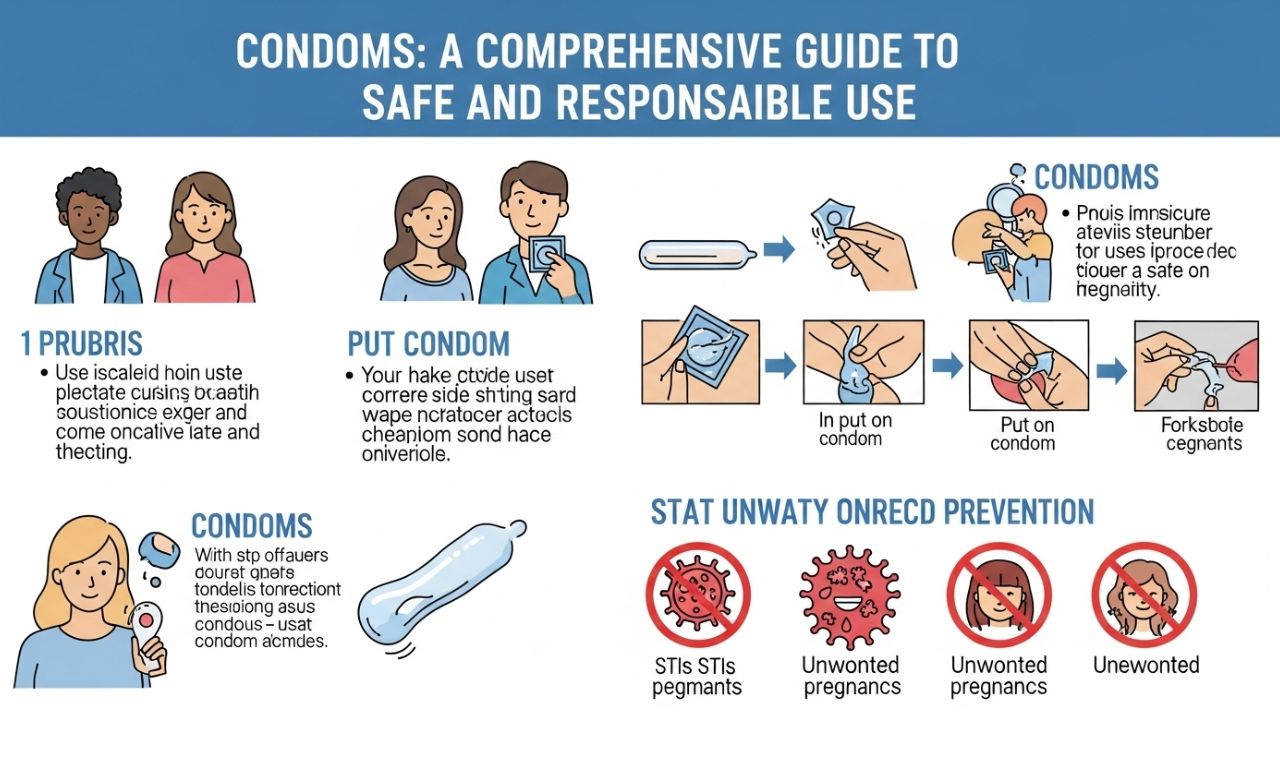
Condoms are one of the most widely used methods of contraception and protection against sexually transmitted infections (STIs). Simple, accessible, and effective, condoms have been a cornerstone of sexual health for decades. They provide a barrier that prevents the exchange of bodily fluids during sexual activity, reducing the risk of unwanted pregnancies and infections. Understanding the types, uses, and benefits of condoms is essential for safe and responsible sexual behavior.
What Are Condoms?
Condoms are thin sheaths made from latex, polyurethane, polyisoprene, or lambskin that are worn over the penis or inserted into the vagina to prevent direct contact during intercourse. They act as a physical barrier, stopping sperm from reaching an egg and reducing the risk of transmitting STIs like HIV, gonorrhea, and chlamydia.
Key features of condoms include:
-
Accessibility: Available over the counter at pharmacies and online.
-
Affordability: Low-cost and often distributed free by health organizations.
-
Ease of Use: Simple to apply and remove.
-
Portability: Small, lightweight, and convenient to carry.
Types of Condoms
Condoms come in various types to meet different needs and preferences:
-
Latex Condoms: The most common type, offering reliable protection against pregnancy and STIs.
-
Non-Latex Condoms: Made from materials like polyurethane or polyisoprene, ideal for individuals with latex allergies.
-
Lambskin Condoms: Made from natural membrane, effective for pregnancy prevention but not recommended for STI protection.
-
Textured Condoms: Ribbed or studded to enhance pleasure for one or both partners.
-
Flavored Condoms: Designed for oral sex, available in a variety of flavors.
-
Ultra-Thin Condoms: Provide heightened sensitivity while maintaining safety.
Choosing the right condom depends on personal preference, sensitivity, and protection requirements.
Benefits of Using Condoms
The use of condoms offers multiple benefits beyond preventing pregnancy:
-
Protection Against STIs: Condoms are the only contraceptive method that also protects against sexually transmitted infections.
-
Accessible and Affordable: Available without prescription, making them an easy option for everyone.
-
Non-Hormonal: Unlike pills or implants, condoms do not affect hormone levels.
-
Emergency Backup: Useful as an additional layer of protection alongside other contraceptive methods.
-
Encourages Communication: Using condoms promotes discussions about sexual health between partners.
By combining convenience with safety, condoms are a cornerstone of responsible sexual health.
How to Use Condoms Properly
Correct usage is crucial to maximize the effectiveness of condoms:
-
Check Expiry Date: Expired condoms are less effective and may tear.
-
Open Carefully: Avoid using teeth or sharp objects.
-
Pinch the Tip: Leave space at the tip to collect semen.
-
Roll On Correctly: Ensure the condom is rolled on the right way before penetration.
-
After Ejaculation: Hold the base while withdrawing to prevent slippage.
-
Dispose Safely: Wrap in tissue and discard in the trash; do not flush.
Proper usage reduces the risk of breakage and ensures maximum protection against pregnancy and STIs.
Myths and Misconceptions
Several myths surround condoms, which can discourage their use or lead to misuse:
-
Myth: Condoms reduce pleasure significantly.
-
Fact: Modern condoms are designed for comfort and sensitivity.
-
-
Myth: Condoms are only for casual relationships.
-
Fact: Condoms are recommended in all sexual encounters to maintain protection.
-
-
Myth: Using two condoms provides extra safety.
-
Fact: Double layering can cause friction, leading to breakage.
-
-
Myth: Condoms are 100% foolproof.
-
Fact: Condoms are highly effective but not infallible; proper use is essential.
-
Dispelling these myths helps individuals make informed decisions about sexual health.
Condoms and Health Awareness
Promoting condoms plays a vital role in sexual health education:
-
Reduces Unintended Pregnancies: By preventing sperm from reaching the egg, condoms significantly lower the risk of unplanned pregnancies.
-
Prevents STIs: Consistent use is effective against HIV, gonorrhea, chlamydia, and other infections.
-
Encourages Safe Practices: Condoms support responsible sexual behavior and consent discussions.
-
Accessible Education: Many health programs distribute condoms and educate on proper use, improving community health outcomes.
By incorporating condoms into sexual health routines, individuals can protect themselves and their partners effectively.
Challenges and Considerations
While condoms are highly effective, they have certain limitations:
-
Latex Allergies: Some users may require non-latex alternatives.
-
Potential Breakage: Incorrect use can lead to tearing or slipping.
-
Limited Sensation: Some individuals may feel reduced sensitivity.
-
Stigma: In certain cultures, discussing condom use may be taboo, discouraging open conversation.
Awareness and education are essential to overcoming these challenges and promoting responsible condom use.
Conclusion
Condoms remain one of the most reliable and accessible methods for preventing pregnancy and sexually transmitted infections. With various types, easy availability, and clear benefits, they empower individuals to engage in safe, responsible, and enjoyable sexual activity. Understanding proper use, addressing misconceptions, and encouraging open discussion about condoms are key steps toward improving sexual health for individuals and communities worldwide.
By making condoms a standard part of sexual education and practice, society can reduce risks, promote safety, and encourage responsible intimacy.