
 By admin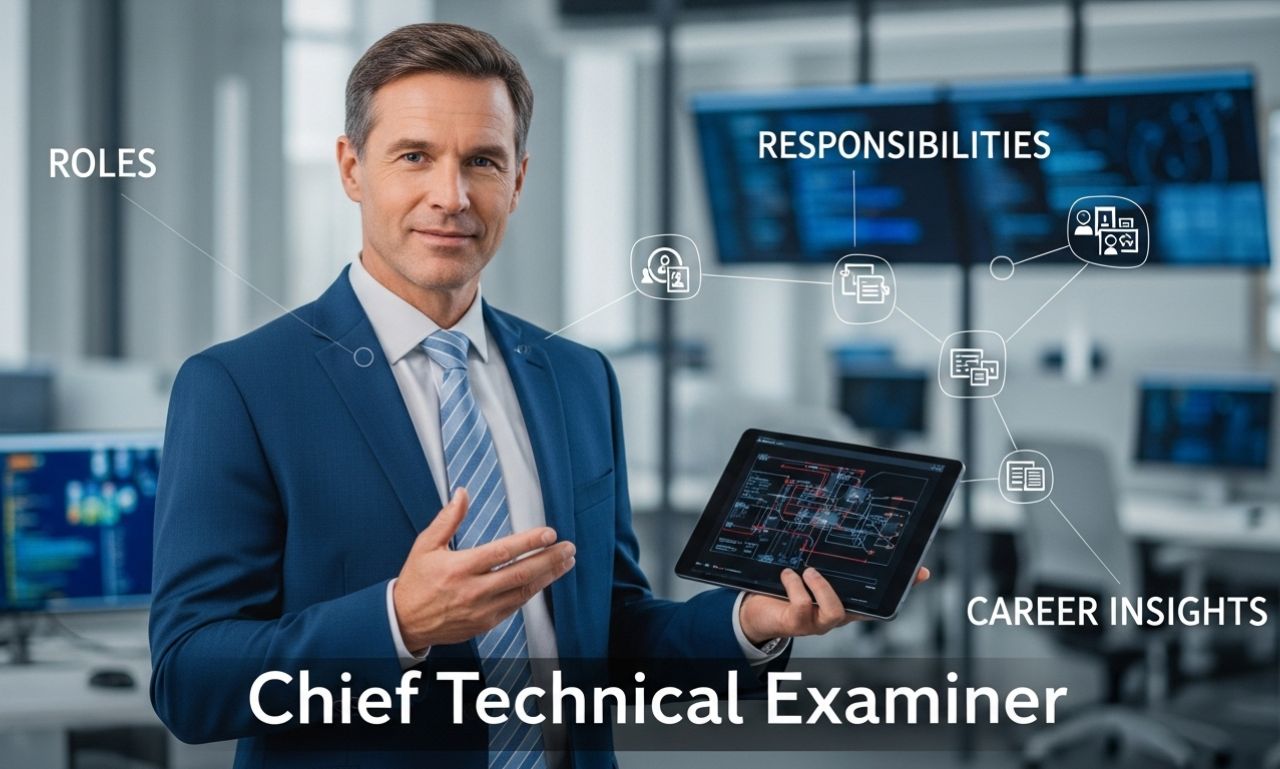
A Chief Technical Examiner (CTE) is a senior-level professional in the field of quality assurance, technical inspection, and regulatory compliance. This position is critical in organizations where adherence to standards, safety protocols, and technical accuracy are paramount. CTEs play a pivotal role in ensuring that products, processes, and services meet defined technical and regulatory standards.
What Is a Chief Technical Examiner?
A Chief Technical Examiner is an expert responsible for overseeing the examination, inspection, and certification of technical processes and systems. Their role spans multiple industries, including manufacturing, engineering, pharmaceuticals, construction, and government regulatory bodies. The CTE ensures that operations comply with technical standards and quality benchmarks.
Key responsibilities often include:
-
Conducting technical audits and inspections
-
Reviewing compliance with industry standards
-
Leading a team of technical examiners
-
Reporting findings and recommending corrective actions
The position requires both technical expertise and leadership skills to guide teams and influence organizational decisions.
Roles and Responsibilities of a Chief Technical Examiner
The responsibilities of a CTE vary by organization and sector but generally include:
1. Technical Oversight
CTEs are responsible for supervising the technical examination of products, processes, or systems. This includes verifying specifications, ensuring functional safety, and evaluating quality standards.
2. Compliance Monitoring
They ensure that all operations adhere to regulatory, safety, and technical guidelines. This involves keeping up-to-date with legal requirements, industry regulations, and technical standards.
3. Team Leadership
CTEs often lead a team of examiners, inspectors, and technical staff. They provide guidance, training, and oversight to ensure accurate and consistent assessments.
4. Reporting and Documentation
A significant part of the role involves documenting findings, creating technical reports, and submitting recommendations to management. Accurate reporting is crucial for regulatory compliance and process improvement.
5. Risk Assessment
CTEs evaluate potential risks in technical operations and recommend mitigation strategies to prevent failures, accidents, or non-compliance.
6. Policy Development
In many organizations, CTEs contribute to developing technical policies, procedures, and standards to maintain quality and safety across operations.
Skills Required for Chief Technical Examiners
To excel as a Chief Technical Examiner, professionals typically need:
-
Technical expertise: In-depth knowledge of the industry and technical standards
-
Analytical skills: Ability to evaluate complex technical data and identify issues
-
Leadership abilities: Experience managing teams and guiding technical staff
-
Attention to detail: Precision in inspections and reporting
-
Problem-solving skills: Ability to propose effective solutions for compliance issues
-
Communication skills: Clear reporting and effective communication with stakeholders
These skills ensure that CTEs maintain high standards and contribute to organizational success.
Career Path and Qualifications
Becoming a Chief Technical Examiner usually requires a combination of education, experience, and professional certifications. Common qualifications include:
-
A bachelor’s or master’s degree in engineering, science, or technical disciplines
-
Extensive experience in technical inspection, quality assurance, or regulatory compliance
-
Professional certifications relevant to the industry (e.g., ISO Lead Auditor, Six Sigma, or regulatory compliance certifications)
-
Leadership experience managing teams or projects
Many CTEs start their careers as technical inspectors, quality engineers, or compliance officers before progressing to senior roles.
Industries Employing Chief Technical Examiners
CTEs are in demand across multiple sectors:
-
Manufacturing: Ensuring product quality, safety, and compliance
-
Engineering: Overseeing project specifications and technical standards
-
Pharmaceuticals: Certifying drug production and laboratory compliance
-
Construction: Verifying building safety and regulatory adherence
-
Government & Regulatory Agencies: Conducting inspections and enforcing compliance
-
Technology & IT: Reviewing software, hardware, and technical processes for standards
The role is versatile and essential wherever technical accuracy and compliance are critical.
Challenges Faced by Chief Technical Examiners
While rewarding, the role of a CTE comes with challenges:
-
Keeping up with rapidly evolving technical standards
-
Managing complex projects with multiple stakeholders
-
Handling high responsibility for compliance failures
-
Ensuring accuracy under time constraints
Successful CTEs navigate these challenges through continuous learning, leadership, and meticulous attention to detail.
Future Prospects
With increasing focus on quality, safety, and compliance across industries, the demand for Chief Technical Examiners is expected to grow. Technological advancements, stricter regulatory frameworks, and global standards make the role even more critical. Professionals who combine technical expertise with leadership skills will continue to find excellent career opportunities.
Conclusion
The role of a Chief Technical Examiner is pivotal in ensuring technical accuracy, safety, and compliance across industries. By overseeing inspections, leading teams, and developing policies, CTEs maintain high standards and contribute to organizational success. For professionals seeking a challenging and rewarding career in technical oversight, the Chief Technical Examiner position offers both influence and impact.