
 By admin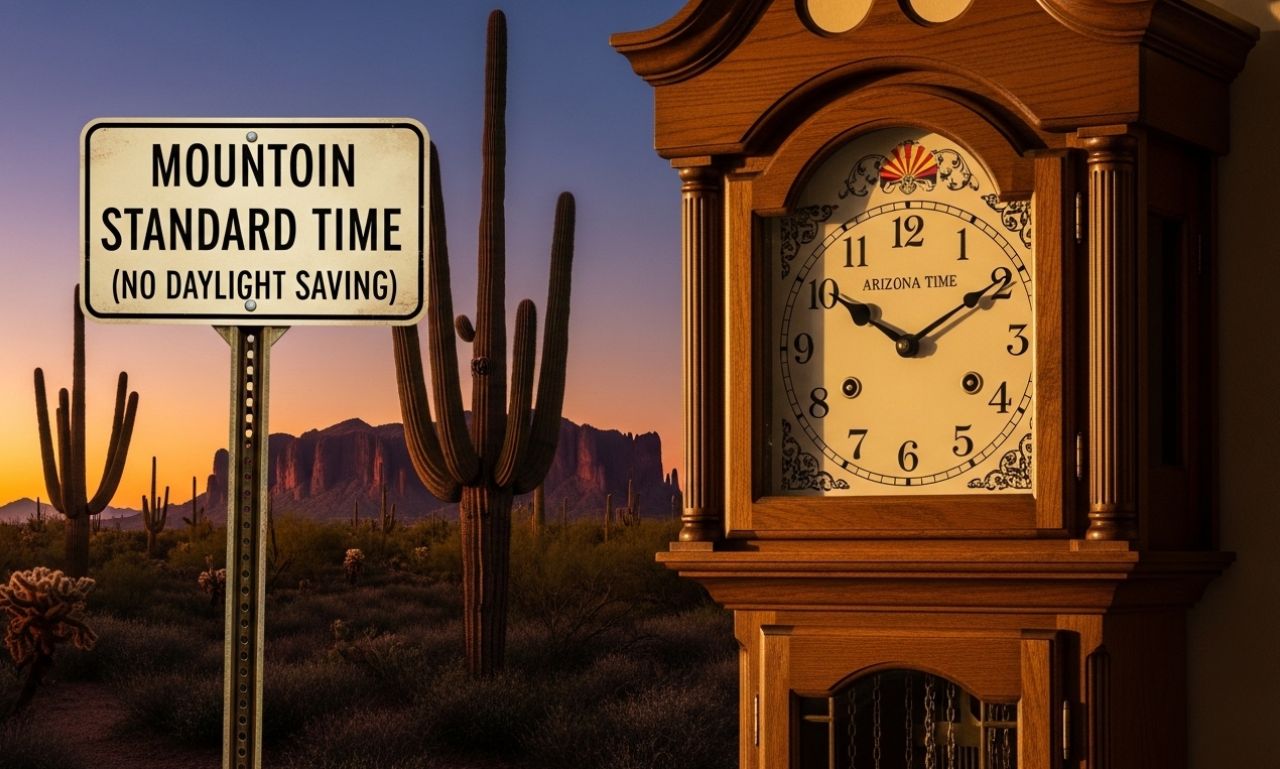
Arizona time is often a topic of confusion for travelers, businesses, and even residents of the United States. Unlike most states, Arizona time follows a distinctive pattern that sets it apart from the standard daylight saving adjustments observed across the country. Understanding Arizona time is essential for anyone planning to travel, schedule meetings, or conduct business involving the Grand Canyon State. From its time zone classification to its daylight saving policy, Arizona time reflects a practical approach shaped by geography and climate.
What Is Arizona Time?
The Official Time Zone of Arizona Time
Ariz ona time is officially based on the Mountain Standard Time (MST) zone. Most of the state remains on MST throughout the entire year. While many U.S. states shift their clocks forward in spring and backward in fall, Ari zona time remains consistent.
Mountain Standard Time is typically seven hours behind Coordinated Universal Time (UTC-7). Because Ari zona time does not change seasonally in most regions, it maintains stability year-round.
Why Arizona Time Does Not Follow Daylight Saving
The primary reason Ariz ona time does not observe daylight saving time is related to climate. Arizona experiences extremely hot summers, especially in desert regions like Phoenix and Tucson. Extending daylight hours into the evening would increase energy usage for cooling and air conditioning.
By maintaining standard time throughout the year, Ariz ona time helps minimize energy consumption and keeps early morning daylight during hot months. This practical decision has shaped the state’s timekeeping system since 1968.
How Arizona Time Differs from Other States
Arizona Time vs. Mountain Time in Other States
Although Ariz ona time falls within the Mountain Time Zone, it differs from other Mountain Time states during daylight saving months. For example, states like Colorado and Utah switch to Mountain Daylight Time (MDT) during spring and summer.
When neighboring states move their clocks forward, Ariz ona time effectively aligns with Pacific Daylight Time (PDT). This temporary alignment can create confusion for travelers and businesses.
Arizona Time and the Navajo Nation Exception
There is one important exception within Ari zona time rules. The Navajo Nation, which covers parts of northeastern Arizona, does observe daylight saving time. As a result, this region follows a different schedule from the rest of the state during part of the year.
This means that within Arizona’s borders, time can differ depending on location. Visitors traveling through the Navajo Nation should double-check local time to avoid scheduling errors.
The History Behind Arizona Time
Early Development
Before standardized time zones were introduced in the United States in 1883, communities set their clocks according to the sun’s position. As railroads expanded, consistent timekeeping became necessary. Arizona adopted Mountain Standard Time as part of the national system.
When the Uniform Time Act of 1966 allowed states to opt out of daylight saving time, Arizona chose to remain on standard time year-round. This decision officially shaped modern Ariz ona time practices.
Legislative Decisions Affecting
Over the years, there have been occasional discussions about changing Ariz na time policies. However, the state has consistently maintained its stance against daylight saving adjustments. The reasoning remains rooted in climate efficiency and public preference.
How Arizona Time Affects Travel and Business
Traveling Across Time Zones
Travelers entering Arizona often notice time differences depending on the season. During winter months, Ariz ona time matches Mountain Time in neighboring states. However, during daylight saving months, it aligns with Pacific Time.
For example:
-
In winter, Ari zona time is the same as Denver, Colorado.
-
In summer, Ariz ona time matches Los Angeles, California.
Understanding these seasonal shifts prevents confusion when booking flights or planning road trips.
Business Scheduling
For companies operating nationally or internationally, Ariz ona time requires careful scheduling. Businesses must remain aware of seasonal differences between Arizona and states that observe daylight saving time.
Virtual meetings and conference calls can easily become misaligned if participants do not account for Ari zona time rules. Using digital calendars that automatically adjust for time zones can help reduce errors.
Climate and Its Influence
The Role of Heat in Shaping
Arizona’s desert climate significantly influenced its decision to reject daylight saving time. Summers in cities like Phoenix regularly exceed 100 degrees Fahrenheit. Extending evening daylight would increase heat exposure during peak activity hours.
Ariz ona time preserves earlier sunrises in summer, allowing residents to complete outdoor activities before temperatures reach extreme levels.
Energy Consumption
Energy conservation also played a role in shaping Ariz ona time policies. Keeping standard time year-round reduces evening cooling demands. Studies have suggested that this approach can help lower electricity usage during the hottest months.
Frequently Asked Questions About
Is Always the Same?
For most of the state, Ariz ona time remains consistent throughout the year. However, the Navajo Nation observes daylight saving time, creating temporary differences within Arizona.
Does Ever Change?
Ariz ona time does not change seasonally for the majority of residents. Any changes would require legislative action, and there are currently no major shifts in policy.
How Does Compare to Pacific Time?
During daylight saving months, Arizo na time aligns with Pacific Daylight Time. In winter, it is one hour ahead of Pacific Standard Time.
Technology and Arizona Time
Digital Devices Settings
Modern smartphones and computers typically update automatically when entering Arizona. However, manual adjustments may be necessary if location services are disabled.
Travelers should verify that their devices correctly reflect Ariz ona time, especially near the Navajo Nation, where time rules differ.
Online Scheduling Across Ariz ona Time
Global communication platforms allow users to select time zones accurately. When scheduling across regions, it is important to choose “Arizona” specifically rather than simply “Mountain Time” to avoid seasonal discrepancies.
Why Remains Unique
Ar izona time stands out because it reflects a practical response to environmental conditions. While many regions embrace daylight saving time, Arizona prioritizes comfort, energy efficiency, and consistency.
This unique approach highlights how geography can influence timekeeping policies. Ariz ona time serves as an example of how local needs can shape statewide decisions.
Conclusion:
Ariz ona time plays a significant role in travel planning, business coordination, and daily life within the state. By remaining on Mountain Standard Time year-round, most of Arizona avoids the clock changes observed elsewhere in the country.
Although this system can initially seem confusing, especially during daylight saving months, it ultimately provides stability and predictability. Whether you are scheduling meetings, planning a trip, or simply curious about regional time differences, understanding Arizo na time ensures accuracy and convenience.
As the conversation around daylight saving time continues nationwide, Ariz ona time remains a distinctive model of consistent timekeeping shaped by climate and practicality.