
 By admin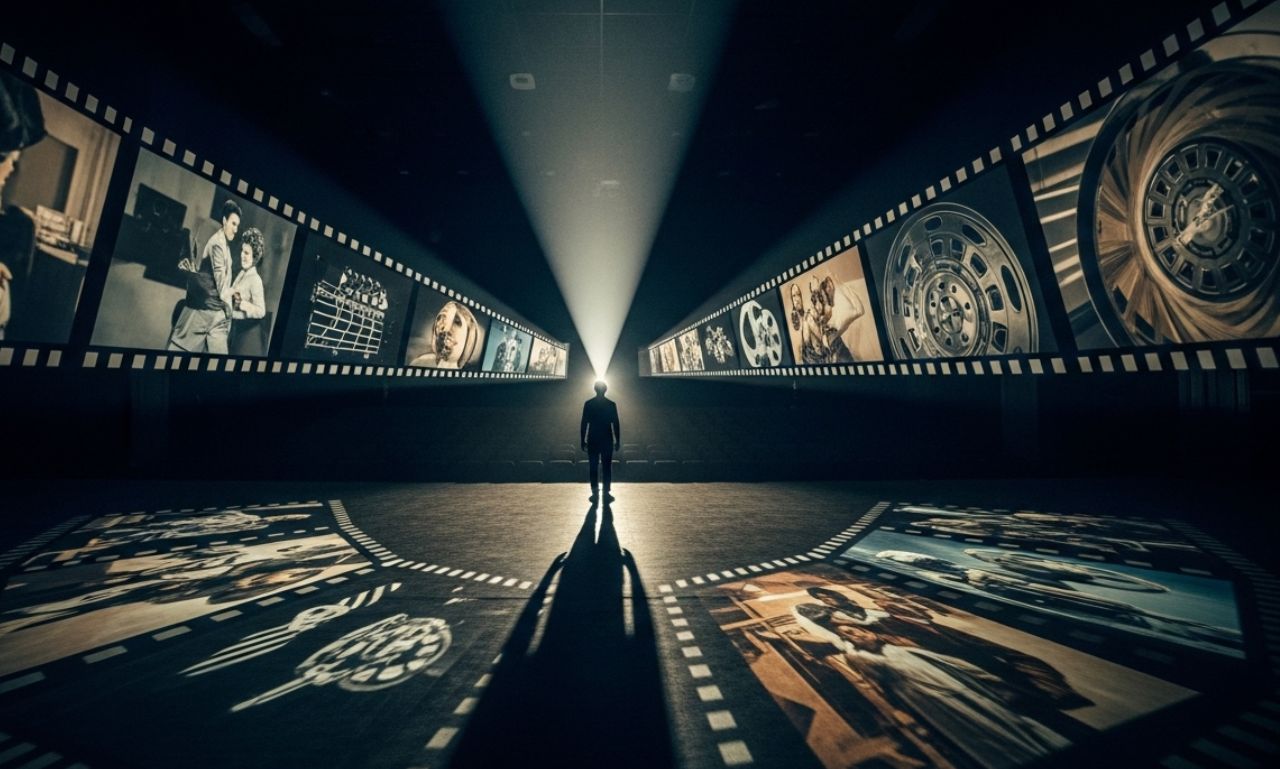
Absolute cinema is a term used in film theory to describe a style of filmmaking that prioritizes pure cinematic expression over narrative or dialogue. Instead of relying heavily on story, character development, or traditional plot structures, absolute cinema emphasizes the visual, rhythmic, and emotional power of images and sounds.
The idea is that cinema can convey meaning, emotion, and artistic experience on its own, without the need for explanatory dialogue or a conventional storyline. Filmmakers who explore absolute cinema treat the medium as an art form in its purest sense, focusing on composition, movement, rhythm, color, and sound.
Origins and Historical Background
The concept of absolute cinema emerged in the early 20th century, particularly during the silent film era and the avant-garde movement. Filmmakers and theorists were experimenting with the boundaries of the medium, exploring how moving images alone could communicate ideas and emotions.
Key influences include:
-
Visual Music and Experimental Film: Early experiments with rhythm and abstract imagery, often likened to musical composition.
-
French and Soviet Avant-Garde Movements: Filmmakers such as Dziga Vertov and László Moholy-Nagy emphasized cinema as an art of movement and montage rather than narrative.
-
Silent Era Experiments: Directors explored visual storytelling through light, shadow, motion, and composition, creating immersive experiences without dialogue.
Principles of Absolute Cinema
Absolute cinema is characterized by several key principles:
-
Visual Expression: Imagery is the primary means of communication. Composition, lighting, and movement are carefully crafted to evoke emotion.
-
Minimal Narrative: Story and dialogue are secondary or absent. The focus is on pure cinematic experience.
-
Rhythm and Editing: Editing is used to create visual and emotional rhythm, similar to music.
-
Abstraction and Experimentation: Filmmakers may use abstract forms, shapes, and unconventional techniques to explore the possibilities of cinema.
-
Sensory Immersion: Films are designed to engage viewers through sight and sound, creating a holistic aesthetic experience.
Notable Examples of Absolute Cinema
While absolute cinema is often experimental, several influential works embody its principles:
-
Man with a Movie Camera (1929) – Directed by Dziga Vertov, this documentary-style film showcases life in the Soviet Union through innovative montage and camera techniques, without traditional narrative or characters.
-
Ballet Mécanique (1924) – A collaborative experimental film by Fernand Léger, emphasizing rhythm, motion, and abstraction over plot.
-
Koyaanisqatsi (1982) – Directed by Godfrey Reggio, this visual essay uses time-lapse and slow-motion footage with a musical score to convey ideas about society and nature.
These films exemplify how absolute cinema focuses on the sensory and emotional power of the medium rather than conventional storytelling.
Influence of Absolute Cinema on Modern Filmmaking
Absolute cinema has had a lasting impact on contemporary filmmakers and visual storytelling. Its principles can be seen in:
-
Experimental and Art House Films: Directors use abstraction and visual storytelling to convey meaning.
-
Music Videos: Editing and rhythm often prioritize visual impact over narrative coherence.
-
Montage in Mainstream Films: Many directors adopt visual rhythm techniques, inspired by absolute cinema, to heighten emotional intensity.
-
Cinematography Focus: Modern films increasingly experiment with framing, movement, and visual composition as narrative devices themselves.
Why Absolute Cinema Matters
Ab solute cinema demonstrates that film is a unique art form capable of conveying ideas and emotions beyond words. By focusing on the medium’s intrinsic properties—motion, composition, rhythm, and sound—filmmakers can create deeply immersive and thought-provoking experiences.
It challenges viewers to engage actively, interpreting meaning through visual and auditory cues rather than relying solely on dialogue or plot. This approach has inspired countless artists, from avant-garde filmmakers to directors in mainstream cinema experimenting with visual storytelling techniques.
Conclusion
Abs olute cinema remains a cornerstone in the study and practice of experimental and art-house filmmaking. Its emphasis on pure cinematic expression has expanded the possibilities of the medium, inspiring generations of filmmakers to explore film as an art form in its own right.
By prioritizing imagery, rhythm, and sensory experience, absol ute cinema pushes the boundaries of traditional storytelling and reminds audiences of the power of visual expression. Today, its influence can be seen in both experimental projects and mainstream films that prioritize aesthetics, motion, and rhythm, proving that cinema is more than just a story—it is a visual art.