
 By admin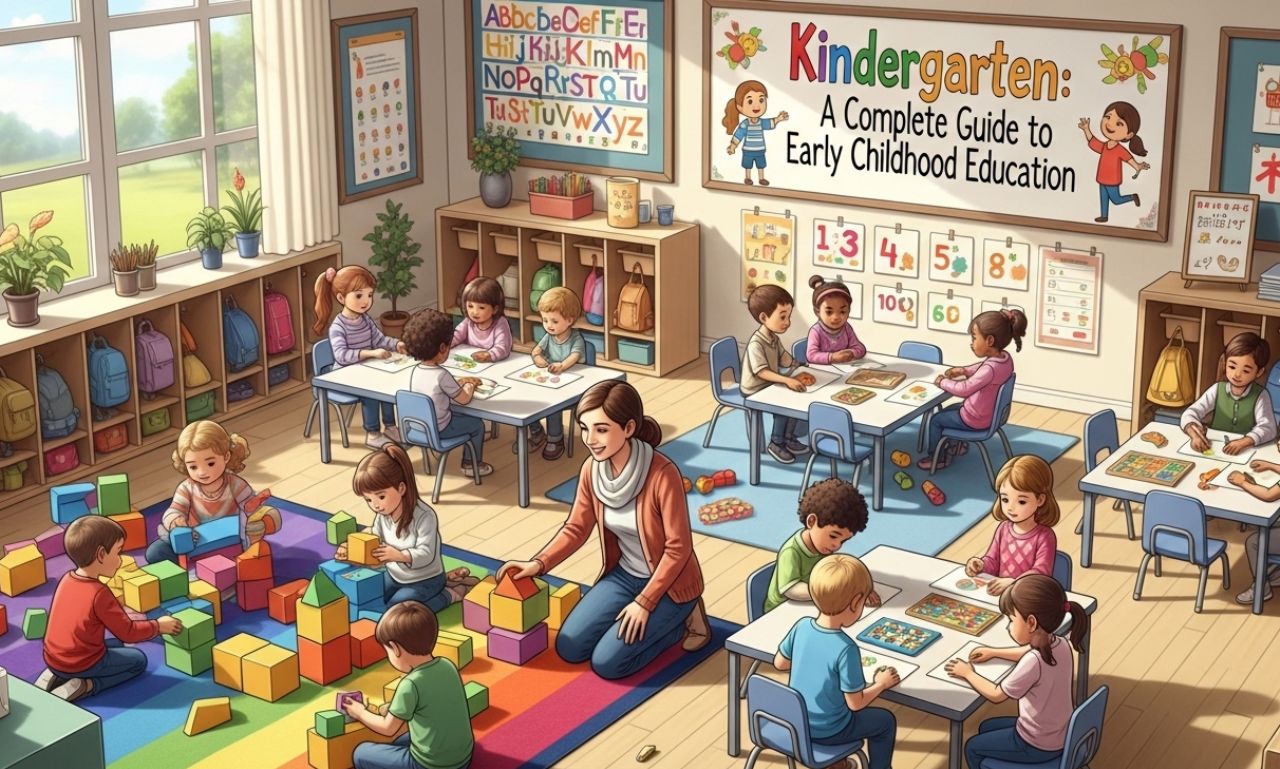
Kindergarten is one of the most important stages in a child’s educational journey. It serves as the bridge between home or preschool and formal elementary school. During kindergarten, children develop essential academic, social, and emotional skills that lay the foundation for lifelong learning. Parents, educators, and policymakers recognize kindergarten as a crucial period that shapes a child’s confidence, curiosity, and readiness for structured education.In this article, we will explore what kindergarten is, its history, benefits, curriculum structure, and how it prepares children for future success.
What Is Kindergarten?
Kindergarten is an early childhood education program typically designed for children between the ages of four and six. It focuses on introducing basic academic concepts while encouraging social interaction and creative exploration.
The term “kindergarten” originates from the German language and translates to “children’s garden.” It reflects the idea that young learners grow and flourish in a nurturing environment.
In many countries, kindergarten is part of the formal school system, while in others, it functions as a pre-primary program before elementary school.
The History of Kindergarten
The Origins of Kindergarten
Kindergarten was founded in the 19th century by Friedrich Froebel in Germany. Froebel believed that young children learn best through play, creativity, and hands-on activities. He introduced structured games, songs, and crafts to promote early development.
His ideas spread throughout Europe and eventually reached the United States, where kindergarten became integrated into public education systems.
Kindergarten in Modern Education
Today, kindergarten programs exist worldwide and vary by country. In the United States, kindergarten is typically the first year of formal schooling. In countries such as Germany and Canada, early childhood education models may differ slightly in structure but share similar goals.
Modern kindergarten classrooms emphasize academic readiness while maintaining a strong focus on social and emotional growth.
The Importance of Kindergarten
Academic Readiness
Kindergarten introduces foundational skills in reading, writing, and mathematics. Children learn:
-
Letter recognition
-
Phonics basics
-
Counting and number identification
-
Simple addition and subtraction
-
Basic problem-solving
These early skills prepare students for first grade and beyond.
Social Development
In kindergarten, children interact with peers in a structured setting. They learn important social skills such as:
-
Sharing
-
Cooperation
-
Listening
-
Following instructions
-
Resolving conflicts
Social development during kindergarten helps children build friendships and gain confidence in group environments.
Emotional Growth
Kindergarten also supports emotional development. Teachers guide children in understanding their feelings, managing frustration, and building resilience. This emotional foundation is critical for long-term success in school.
Kindergarten Curriculum and Learning Activities
Play-Based Learning in Kindergarten
Play remains a central component of kindergarten education. Activities such as building blocks, pretend play, and art projects stimulate creativity and cognitive development.
Play-based learning encourages exploration while reinforcing academic concepts.
Literacy Development
Kindergarten programs often include:
-
Storytime sessions
-
Alphabet activities
-
Writing simple sentences
-
Vocabulary expansion
Teachers introduce reading strategies that help children recognize sight words and understand basic storytelling.
Math Skills in Kindergarten
Early math instruction in kindergarten focuses on:
-
Counting objects
-
Recognizing shapes
-
Identifying patterns
-
Comparing quantities
Hands-on activities make math engaging and accessible for young learners.
Creative Arts and Physical Activity
Kindergarten classrooms incorporate music, art, and physical education. Singing songs, drawing pictures, and participating in movement activities enhance overall development.
These creative outlets support fine and gross motor skills while keeping children actively engaged.
Types of Kindergarten Programs
Public Kindergarten
Public kindergarten is funded by government education systems and is usually free for eligible families. It follows state or national curriculum standards.
Private Kindergarten
Private programs may offer specialized curricula, smaller class sizes, or faith-based instruction. Tuition costs vary depending on the institution.
Montessori and Alternative Models
Educational approaches such as Montessori emphasize independence and hands-on learning. Developed by Maria Montessori, this method allows children to choose activities within a structured environment.
Alternative kindergarten models may focus on outdoor learning, language immersion, or arts integration.
How Kindergarten Prepares Children for Elementary School
Kindergarten plays a critical role in transitioning children into formal education. It introduces:
-
Structured classroom routines
-
Scheduled learning periods
-
Group collaboration
-
Independent work tasks
By experiencing these elements early, children adapt more easily to the expectations of elementary school.
Kindergarten also helps teachers assess developmental milestones. Early identification of learning challenges allows for timely support and intervention.
The Role of Teachers in Kindergarten
Kindergarten teachers are specially trained in early childhood education. Their responsibilities include:
-
Creating engaging lesson plans
-
Monitoring academic progress
-
Supporting social and emotional development
-
Communicating with parents
Teachers use positive reinforcement and encouragement to build confidence in young learners.
A nurturing classroom environment is essential for effective kindergarten education.
Parental Involvement in Kindergarten
Parents play a vital role in reinforcing kindergarten learning at home. Simple activities such as reading bedtime stories, practicing counting, and discussing daily experiences can strengthen classroom lessons.
Open communication between parents and teachers ensures that children receive consistent support. Attending school events and parent-teacher conferences fosters a collaborative educational experience.
Challenges and Modern Trends in Kindergarten
Technology Integration
Many kindergarten classrooms now incorporate digital tools such as tablets and interactive whiteboards. While technology can enhance learning, educators aim tobalance screen time with hands-on activities.
Focus on Social-Emotional Learning
Modern kindergarten programs increasingly emphasize emotional intelligence. Activities that teach empathy, kindness, and self-awareness are becoming more common.
Expanding Access to Kindergarten
Governments and educational organizations continue working to make kindergarten accessible to all children. Research shows that early education improves long-term academic outcomes and reduces achievement gaps.
Benefits of Attending Kindergarten
Children who attend kindergarten often experience:
-
Improved literacy and numeracy skills
-
Better social adjustment
-
Greater independence
-
Stronger communication abilities
-
Higher confidence levels
Long-term studies suggest that quality early education positively impacts academic achievement and career readiness.
Final Thoughts on Kindergarten
Kindergarten represents a foundational step in every child’s educational journey. It combines structured learning with creativity, play, and social interaction. From its origins with Friedrich Froebel to modern classrooms around the world, kindergarten continues to evolve while maintaining its core mission: nurturing young minds.
By building academic, social, and emotional skills, kindergarten prepares children for the challenges and opportunities of future schooling. Parents and educators alike recognize that these early experiences shape a child’s lifelong love of learning.
Investing in quality kindergarten programs is an investment in the future. Through supportive teaching, engaging activities, and strong family involvement, kindergarten creates a solid base for academic success and personal growth.