
 By admin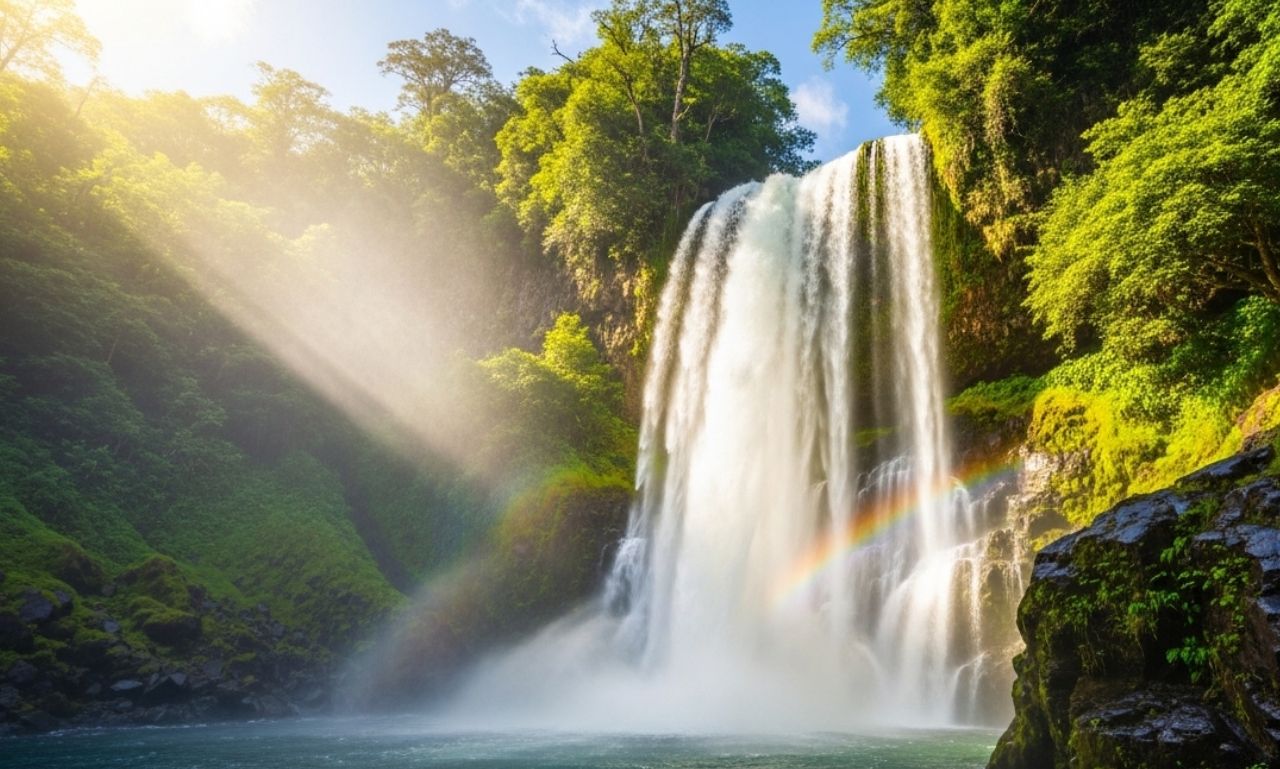
A waterfall is one of nature’s most breathtaking creations, where flowing water drops dramatically from a height into a pool or river below. From towering cliffs to gentle cascades, every waterfall tells a story of geological transformation and natural force. Across the world, waterfalls attract travelers, photographers, scientists, and adventure seekers who are drawn to their beauty, sound, and energy. Understanding how a waterfall forms, its different types, and its environmental importance helps us appreciate why these natural wonders continue to inspire generations.
How a Waterfall Forms
A waterfall typically forms when a river flows over layers of rock with varying resistance. Softer rock erodes faster than harder rock, creating a sudden drop. Over time, the force of water widens and deepens the plunge pool below, gradually reshaping the landscape.
Erosion plays a key role in waterfall formation. The continuous movement of water carries sediments that wear away the rock surface. In some cases, tectonic activity or volcanic processes create dramatic cliffs that later become ideal locations for waterfalls.
Famous examples such as Niagara Falls and Angel Falls showcase how geological processes over thousands of years can produce awe-inspiring natural spectacles.
Types of Waterfall
Not all waterfalls look the same. Their structure and flow patterns create different classifications.
Plunge Waterfall
A plunge waterfall occurs when water drops vertically without touching the rock face behind it. Angel Falls is a classic example, as water descends from a great height in a nearly uninterrupted stream.
Horsetail Waterfall
In a horsetail waterfall, water maintains some contact with the rock as it falls. Yosemite Falls partially demonstrates this formation during certain flow conditions.
Cascade Waterfall
A cascade waterfall flows down a series of small steps or rock ledges. This type creates a layered appearance and often produces soothing sounds rather than dramatic plunges.
Block Waterfall
Block waterfalls are wide and powerful, often spanning the entire width of a river. Niagara Falls is one of the most well-known block waterfalls in the world.
Each type of waterfall has its own visual charm and ecological impact.
The Ecological Importance of Waterfall
A waterfall is not only a scenic attraction but also an important ecological feature. The constant movement of water oxygenates rivers and streams, supporting aquatic life. Fish and other organisms depend on well-oxygenated water to survive.
The mist generated by a waterfall creates a unique microclimate. This moisture-rich environment often supports rare plants, mosses, and ferns that thrive in humid conditions. Surrounding forests benefit from increased soil moisture and biodiversity.
Additionally, waterfalls contribute to sediment transport and river evolution. Over time, they shape valleys and influence downstream ecosystems.
Cultural and Historical Significance of Waterfall
Throughout history, waterfalls have held spiritual and cultural significance. Many indigenous communities consider certain waterfalls sacred, associating them with myths and legends.
For example, Victoria Falls, known locally as “Mosi-oa-Tunya” meaning “The Smoke That Thunders,” has deep cultural importance in Southern Africa. Its powerful roar and rising mist create an atmosphere that feels almost otherworldly.
Artists, poets, and writers have long used waterfalls as symbols of power, renewal, and the passage of time. Their constant flow represents persistence and transformation.
Tourism and Adventure Around Waterfall
Waterfall destinations attract millions of visitors each year. Tourists often travel long distances to witness the sheer force and beauty of these natural formations.
Popular sites such as Iguazu Falls and Plitvice Lakes National Park offer breathtaking views, walking trails, and boat tours. These attractions generate significant economic benefits for local communities.
Adventure seekers also engage in activities like hiking, canyoning, and waterfall rappelling. However, safety precautions are essential, as slippery rocks and strong currents can pose serious risks.
Environmental Challenges Facing Waterfall
Despite their natural resilience, waterfalls face environmental threats. Climate change affects water flow patterns, with some regions experiencing droughts that reduce river volume. Lower water levels can dramatically alter a waterfall’s appearance and ecological function.
Hydroelectric projects and dam construction also impact natural water flow. While renewable energy is important, poorly planned projects can disrupt ecosystems and reduce the scenic value of waterfalls.
Pollution remains another concern. Waste and chemicals entering rivers can damage aquatic life and reduce water quality. Protecting watersheds is crucial for maintaining healthy waterfall systems.
The Science Behind the Power of Waterfall
The power of a waterfall lies in gravity and water volume. The higher the drop and the greater the water flow, the more energy it generates. This energy can carve deep gorges over time.
For instance, Niagara Falls has receded several kilometers from its original position due to continuous erosion. Scientists study such changes to understand long-term geological processes.
The sound produced by a water fall results from water colliding with rocks and air bubbles. Larger wate rfalls generate thunderous noise, while smaller ones produce calming, rhythmic sounds.
Why Waterfall Continues to Inspire
A wate rfall captures attention through motion, sound, and visual contrast. The sight of water plunging into a mist-filled basin evokes both excitement and tranquility. Photographers often seek wat erfalls during sunrise or sunset to capture dramatic lighting effects.
Beyond aesthetics, wa terfalls remind us of nature’s unstoppable force. They symbolize movement and renewal, encouraging reflection and appreciation for the environment.
Many people find visiting a wate rfall therapeutic. The negative ions produced by falling water are believed to enhance mood and reduce stress, although research on this topic continues.
Conclusion
A wate rfall is far more than a scenic landmark. It is a dynamic force that shapes landscapes, supports ecosystems, and influences cultures worldwide. From the towering heights of Angel Falls to the immense power of Victoria Falls, each wate rfall offers a unique experience.
As environmental challenges grow, protecting these natural treasures becomes increasingly important. Sustainable tourism, conservation efforts, and responsible resource management can help ensure that future generations continue to witness the majesty of wate rfalls.
Whether admired from a distance or explored up close, a water fall remains one of Earth’s most captivating and enduring wonders.