
 By admin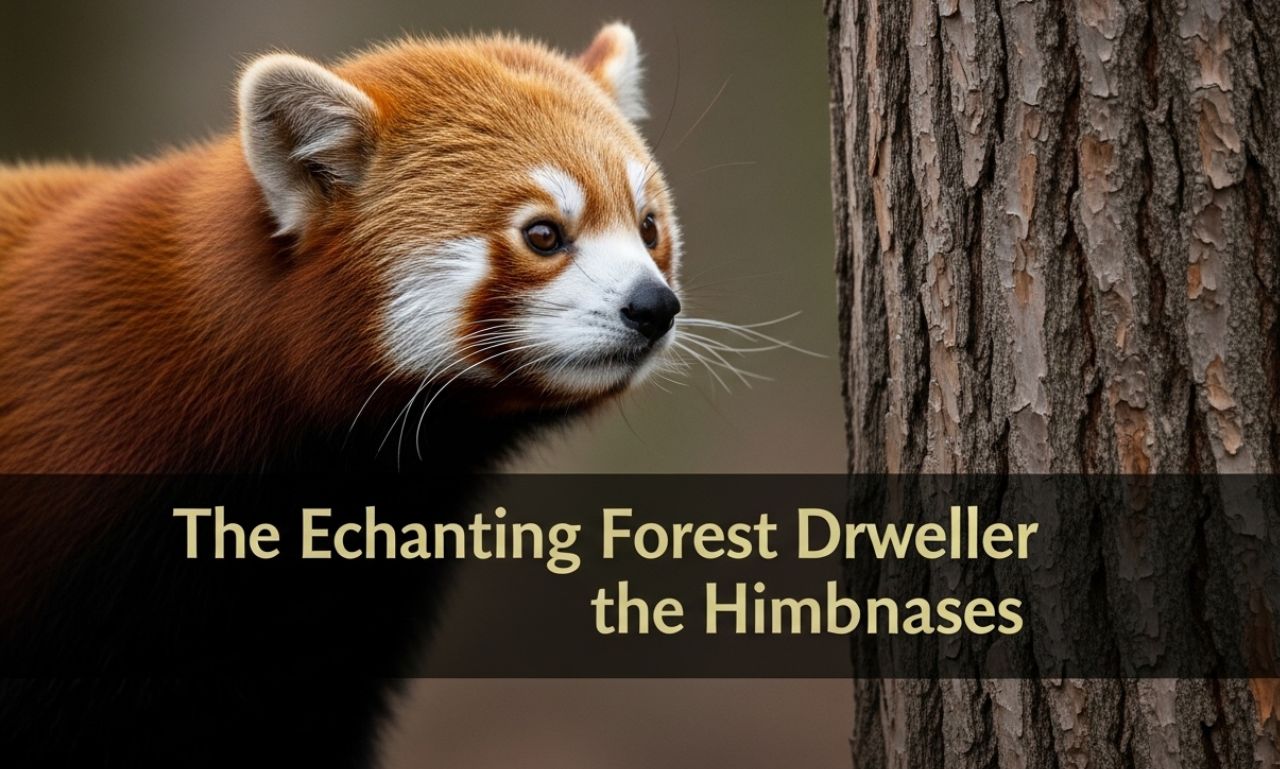
The red panda is one of the most charming and mysterious mammals found in the mountainous forests of Asia. With its striking reddish-brown fur, bushy ringed tail, and playful personality, the red panda has captured the attention of wildlife enthusiasts around the world. Despite its popularity, this unique animal remains relatively rare in the wild and faces growing environmental challenges. This article explores its habitat, diet, behavior, physical characteristics, and conservation efforts.
Red Panda Classification and Scientific Background
The red panda, scientifically known as Ailurus fulgens, belongs to its own family, Ailuridae. Unlike the giant panda, it is not a bear. In fact, it is more closely related to raccoons and weasels, although it stands alone in its taxonomic group.
For many years, scientists debated where this animal fit within the mammalian family tree. Modern genetic research has confirmed that it represents a distinct evolutionary line, making it even more special from a biological perspective.
Natural Habitat of the Red Panda
Mountain Forest Ecosystems
The red panda primarily inhabits temperate forests in the eastern Himalayas. These regions include parts of Nepal, India, Bhutan, China, and Myanmar.
It prefers high-altitude areas ranging from 2,200 to 4,800 meters above sea level. These forests are rich in bamboo, which is essential to its survival. Cool temperatures and dense tree cover provide the ideal environment for shelter and foraging.
Arboreal Lifestyle
This animal spends much of its time in trees. Its sharp claws and flexible ankles allow it to climb with remarkable agility. Living in trees helps it avoid predators and provides access to food sources.
Physical Characteristics of the Red Panda
Distinctive Appearance
The red panda is roughly the size of a domestic cat, with a body length of about 50 to 64 centimeters and a tail that adds another 28 to 59 centimeters. Its reddish fur acts as camouflage against moss-covered trees and reddish-brown forest canopies.
Its face features white markings that resemble tears, similar to a raccoon’s facial pattern. The long, bushy tail is ringed with alternating light and dark bands, which help with balance and warmth.
Unique Adaptations
One fascinating feature is its “false thumb,” an extended wrist bone that functions like an extra digit. This adaptation allows it to grasp bamboo stems efficiently. Thick fur on the soles of its feet provides insulation against cold ground surfaces.
Diet and Feeding Habits of the Red Panda
Bamboo as a Primary Food Source
Although classified as a carnivore, the red panda’s diet is primarily herbivorous. Bamboo leaves and shoots make up nearly 85 to 95 percent of its intake. However, because bamboo is low in nutrients, it must consume large quantities daily to meet its energy needs.
Supplemental Foods
In addition to bamboo, it occasionally eats fruits, berries, acorns, insects, bird eggs, and small rodents. This varied diet helps provide additional nutrients that bamboo alone cannot supply.
Unlike giant pandas, red pandas have a relatively simple digestive system, so they rely heavily on constant feeding to maintain energy levels.
Behavior and Social Structure
Solitary Nature
The red panda is generally solitary, except during mating season. Each individual maintains a territory marked by scent glands located at the base of its tail. These scent markings help communicate boundaries and reproductive status.
Activity Patterns
It is mostly crepuscular, meaning it is most active during dawn and dusk. During the day, it often rests on tree branches, curling its tail around its body for warmth.
When threatened, it may stand on its hind legs to appear larger. If danger persists, it can quickly climb trees to escape predators such as snow leopards and martens.
Reproduction and Life Cycle of the Red Panda
Mating typically occurs between January and March. After a gestation period of about four to five months, the female gives birth to one to four cubs, usually in a tree hollow or nest lined with leaves.
Cubs are born blind and remain dependent on their mother for several months. They begin exploring outside the nest at around three months old and are usually fully independent by eight months.
In the wild, the red panda has an average lifespan of 8 to 10 years, while individuals in captivity may live up to 15 years.
Conservation Status of the Red Panda
Threats to Survival
The red panda is currently classified as Endangered by the International Union for Conservation of Nature (IUCN). Habitat loss due to deforestation, agricultural expansion, and infrastructure development poses the greatest threat.
Illegal poaching and the pet trade also contribute to declining populations. Climate change further disrupts bamboo growth, reducing available food sources.
Conservation Efforts
Several conservation organizations and governments are working to protect habitats and establish wildlife corridors. Protected areas such as Singalila National Park in India play a crucial role in safeguarding populations.
Community-based conservation programs educate local residents about sustainable forest practices. International cooperation is also essential, as the animal’s range crosses multiple national borders.
Importance of the Red Panda in Ecosystems
The red panda plays a valuable role in maintaining forest ecosystems. By feeding on bamboo and fruits, it contributes to seed dispersal and plant growth. Its presence also indicates a healthy forest environment.
Protecting this species helps conserve entire ecosystems that support numerous other plants and animals. In this way, efforts to save it benefit biodiversity as a whole.
Why the Red Panda Captivates the World
Beyond its ecological importance, the red pa nda has become a global symbol of wildlife conservation. Its expressive face and playful behavior make it a favorite in zoos and wildlife documentaries.
Social media has further boosted its popularity, drawing attention to the urgent need for habitat protection. Increased awareness encourages donations, volunteer work, and sustainable tourism initiatives that support conservation.
Conclusion:
The red pan da is more than just an adorable forest animal. It is a unique species with a distinct evolutionary history and a vital ecological role. However, habitat destruction and environmental pressures continue to threaten its survival.
By supporting conservation programs, protecting forest habitats, and promoting sustainable development, we can help ensure that future generations will continue to witness this remarkable creature in the wild. Preserving the red p anda means preserving the delicate mountain ecosystems it calls home — a responsibility shared by the global community.