
 By admin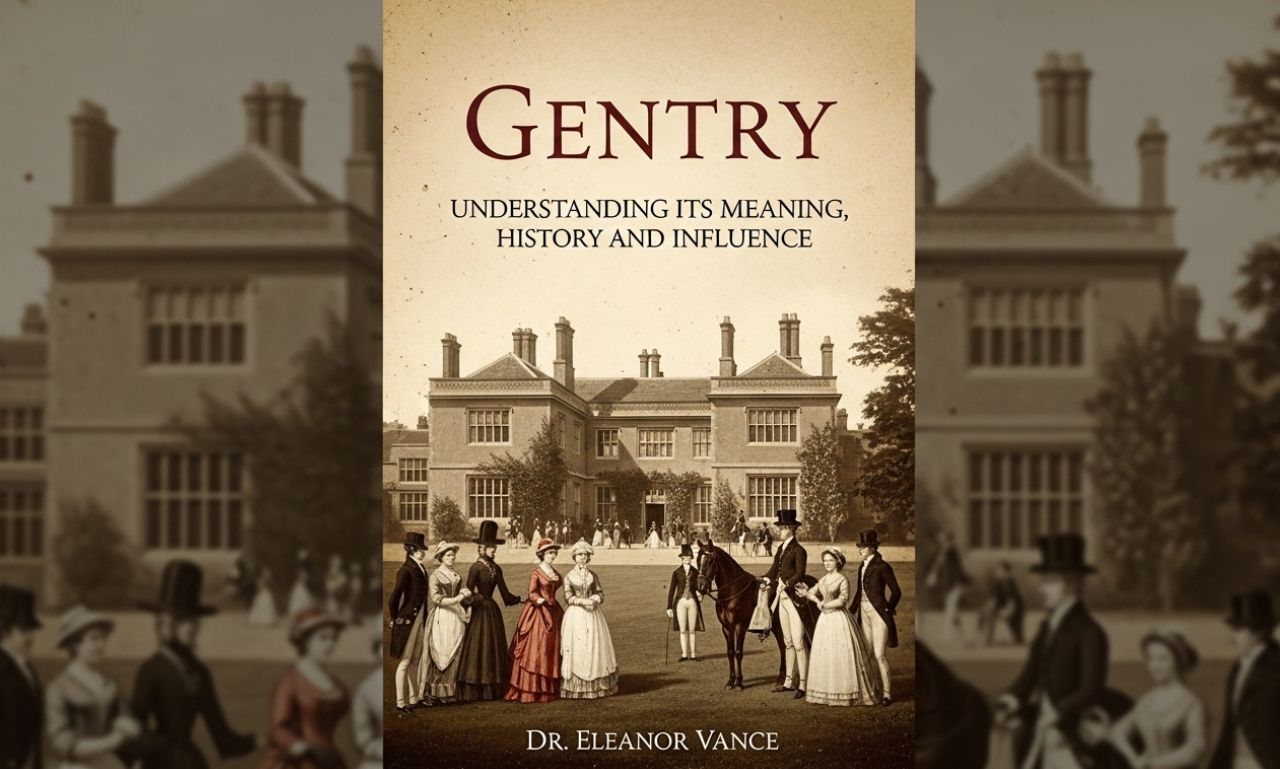
The term Gentry has long been associated with social hierarchy, landownership, and influence. Historically, gentry referred to a class of people just below the nobility, often owning land and holding significant social, economic, and political power. The concept has evolved over time, and understanding its history and contemporary relevance offers insight into social structures and cultural development.
Definition of Gentry
Gentry typically describes a social class of landowners or people of high social status who are not part of the nobility. The gentry historically held privileges, wealth, and influence, often playing key roles in governance, military service, and local administration.
In modern contexts, the term can also refer to families or individuals with social prestige, inherited wealth, or cultural influence.
Historical Origins of Gentry
The concept of gentry dates back to medieval Europe, particularly in England. Key aspects include:
-
Landownership: The gentry often owned large estates and derived income from rents or agricultural production.
-
Education and Culture: Many members of the gentry were educated and patronized the arts.
-
Political Influence: They often held positions in local governance, such as magistrates or council members.
Gentry served as a bridge between the common people and the nobility, maintaining social order and cultural traditions.
Classes of Gentry
Historically, gentry could be divided into several categories:
1. Upper Gentry
Often wealthy landowners with significant influence, sometimes aspiring to noble titles. They had the resources to maintain large estates and participate in politics.
2. Middle Gentry
Moderate landowners or professionals such as lawyers, merchants, or clergy who enjoyed social prestige but less wealth than the upper gen try.
3. Lower Gentry
Families with smaller landholdings or minor influence, often striving to improve their status through marriage, education, or service.
These distinctions highlight the diversity within the gen try class and its varying levels of influence.
Roles and Influence
The gen try played significant roles in society:
-
Political Leadership: Members often served as justices of the peace, members of parliament, or local officials.
-
Economic Control: They managed agricultural estates, collected rents, and influenced local markets.
-
Military Service: Many provided troops or served as officers in armies.
-
Cultural Patronage: Ge ntry families supported the arts, literature, and architecture.
Their influence helped shape social, economic, and political landscapes over centuries.
Literature and Culture
The gen try has been a prominent theme in literature, reflecting their social position, values, and lifestyle. For example:
-
English Literature: Writers like Jane Austen explored gen try life, social manners, and marriage prospects.
-
Historical Accounts: Chronicles often documented the estates, lifestyles, and political activities of gen try families.
-
Modern Media: Films and television series set in historical periods often depict the gen try to illustrate class dynamics.
Literature and culture provide valuable insights into the ideals, responsibilities, and challenges faced by the gen try.
Gentry Around the World
While the concept originated in Europe, similar social classes existed globally:
-
China: The scholar-gen try class held bureaucratic and land-owning influence.
-
Japan: Samurai class members sometimes functioned similarly to European gen try.
-
India: Zamindars and other landholding elites often held comparable social influence.
These examples illustrate the universal nature of socially influential landowning classes.
Modern Interpretation of Gentry
Today, the term gen try is often used more broadly to describe socially prominent families or individuals, even without landownership. Modern gen try may include:
-
Business elites with inherited wealth
-
Families with cultural or political influence
-
Professionals with high social standing
The historical prestige of the gen try continues to inform perceptions of class, wealth, and influence.
Conclusion
The gen try has played a pivotal role in shaping historical and cultural landscapes. From medieval landowners to modern socially prominent families, the gen try has influenced politics, economics, and culture. Understanding the history, roles, and evolution of the gen try provides insight into social hierarchies and the development of societies across the world.