
 By admin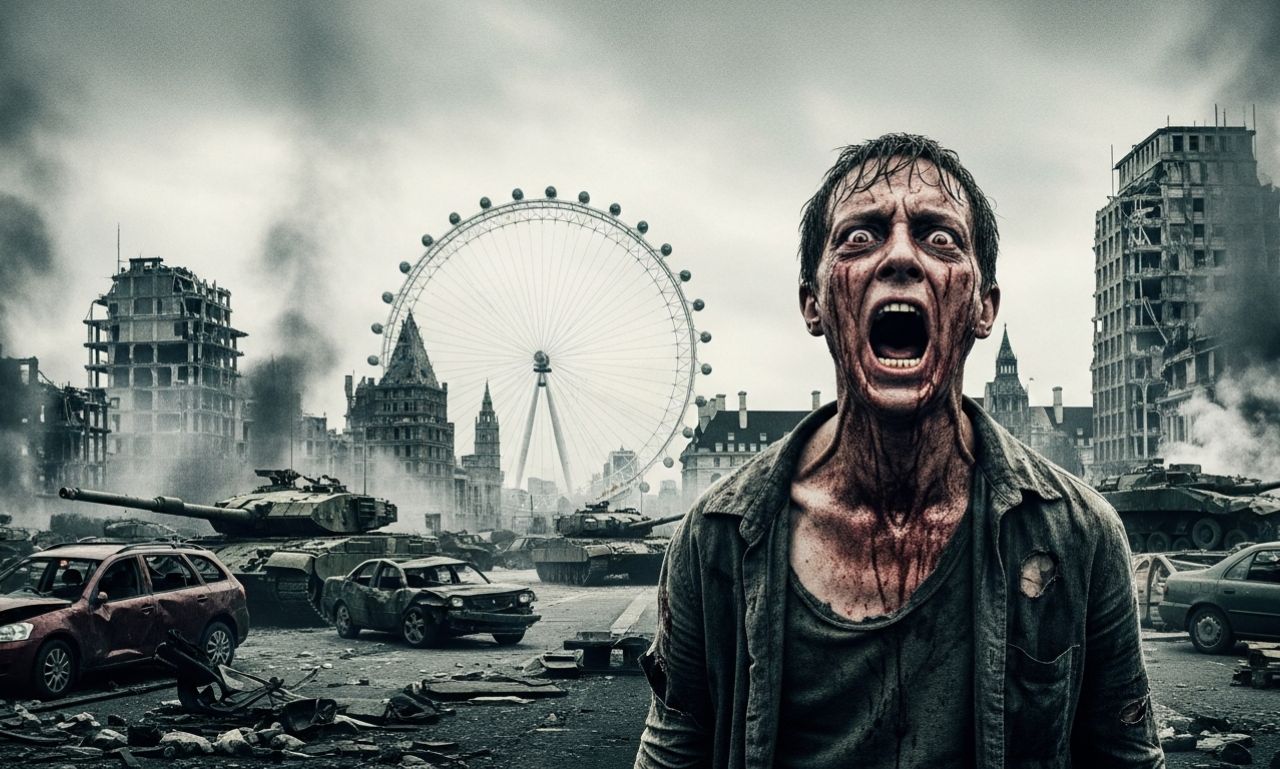
28 Weeks Later is the thrilling sequel to Danny Boyle’s 2002 cult classic 28 Days Later. Released in 2007 and directed by Juan Carlos Fresnadillo, the film expands on the apocalyptic world introduced in the original, delivering intense horror, suspense, and social commentary. Known for its fast-moving infected and tense storytelling, 28 Weeks Later remains a standout in the zombie genre.
Plot Summary of 28 Weeks Later
The story of 28 Weeks Later picks up six months after the initial outbreak in London. With the Rage Virus nearly contained, the United States helps the British government establish a safe zone in the city. Families are evacuated, survivors are quarantined, and normal life seems possible — but the threat of infection lurks beneath the surface.
The central narrative follows Don and Alice, parents trying to reunite with their children. However, the virus resurfaces, leading to chaos, betrayal, and a desperate fight for survival. The film combines emotional storytelling with visceral horror, emphasizing human behavior during extreme crises.
Cast and Characters
28 Weeks Later features a mix of returning characters and new faces, delivering powerful performances that drive the story forward:
-
Robert Carlyle as Don – a father determined to protect his family, adding depth and tension to the narrative.
-
Catherine McCormack as Alice – Don’s estranged wife, caught in the middle of the unfolding disaster.
-
Jeremy Renner as Sergeant Doyle – a key military figure tasked with securing the safe zone.
-
Rose Byrne as Scarlet – a survivor navigating the horrors of the virus outbreak.
The ensemble cast creates a sense of realism, with each character’s motivations and fears contributing to the film’s tension.
Themes and Social Commentary
Beyond terrifying zombie encounters, 28 Weeks Later explores several deeper themes:
-
Human Resilience: The struggle to survive in the face of overwhelming odds highlights human determination and resourcefulness.
-
Government and Military Intervention: The film examines the role of authorities in crises, showing both competence and catastrophic failure.
-
Family and Relationships: The virus outbreak tests bonds of trust, love, and responsibility, providing emotional weight amidst the horror.
-
Ethical Dilemmas: Characters face impossible choices, raising questions about morality and survival.
These themes add layers to the film, elevating it beyond standard zombie fare.
Horror and Action Elements
28 Weeks Later is famous for its fast zombies, building on the original’s innovative approach to infected adversaries. Key aspects include:
-
High-speed Infected: Unlike traditional slow zombies, the Rage Virus victims are agile, relentless, and terrifyingly human.
-
Intense Action Sequences: The film features adrenaline-pumping chase scenes, particularly in urban settings and deserted streets.
-
Suspense and Shock: Jump scares and tense pacing keep viewers on edge throughout the movie.
The combination of horror and action makes 28 Weeks Later a standout in both zombie and disaster genres.
Critical Reception
Upon release, 28 Weeks Later received generally positive reviews from critics:
-
Praised for its thrilling action sequences and innovative take on the zombie apocalypse.
-
Commended for expanding the story of the original film while maintaining a dark, intense atmosphere.
-
Some criticism targeted the film’s plot twists and character development, but most agreed it successfully delivered suspense and scares.
The film holds a strong position in both horror fan circles and general movie audiences, solidifying its status as a memorable sequel.
Box Office Performance
28 Weeks Later performed well commercially, grossing over $64 million worldwide against a moderate budget. Its financial success demonstrated continued audience interest in the zombie genre and laid the groundwork for potential future installments.
Comparison to 28 Days Later
While 28 Days Later focused on the initial outbreak and survival chaos, 28 Weeks Later emphasizes consequences, rebuilding efforts, and moral dilemmas in a post-outbreak London. Both films are connected thematically and narratively, but the sequel expands the world, showing the fragility of human systems in the face of a global threat.
Key differences include:
-
Tone: The sequel is darker, with more emphasis on family dynamics and betrayal.
-
Action: Faster pacing and larger-scale conflicts characterize 28 Weeks Later.
-
Horror Style: Increased intensity with gore and suspenseful sequences.
Fans of the original appreciate the continuity, while newcomers can enjoy the film as a standalone zombie thriller.
Legacy and Influence
28 Weeks Later influenced later zombie films, video games, and pop culture depictions of fast-moving infected:
-
Inspired games like Left 4 Dead and Resident Evil sequels with similar high-speed infected.
-
Reinforced the trend of sequels exploring consequences rather than just repeating initial premises.
-
Solidified the concept of “fast zombies” in modern horror media.
Its combination of horror, social commentary, and emotional storytelling ensures 28 Weeks Later remains a reference point in the genre.
Where to Watch 28 Weeks Later
28 Weeks Later is available on major streaming platforms, DVD, and digital rental services:
-
Netflix (availability varies by region)
-
Amazon Prime Video
-
Hulu
-
Apple TV and Google Play Movies
Checking current streaming availability helps viewers decide where to watch 28 Weeks Later conveniently.
Conclusion
28 Weeks Later is more than just a zombie movie. With compelling characters, intense horror, and thought-provoking themes, it expands on the original story while providing standalone thrills. Whether you’re a fan of fast zombies, dystopian narratives, or suspenseful horror, this film remains a must-watch for anyone exploring the genre.