
 By Brain Killer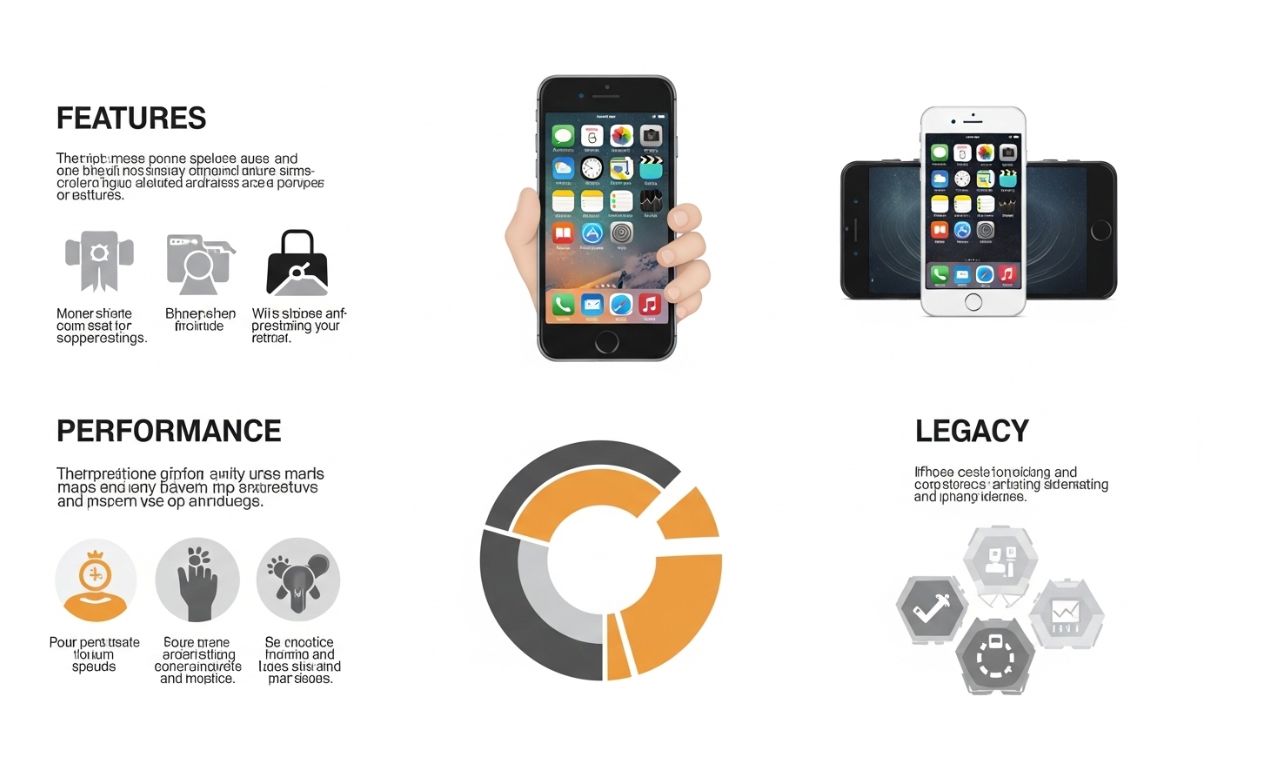
The iPhone 6 is one of Apple’s most iconic smartphones, representing a significant design shift in the company’s lineup when it launched in 2014. Combining a larger display, sleek design, and improved performance, the iPhone 6 became a favorite among consumers and helped set the stage for future iPhone models. In this article, we explore the features, specifications, performance, and legacy of the iPhone 6, offering a comprehensive look at why this device remains significant even years after its release.
Design and Build
The iPhone 6 introduced a new design language for Apple, moving away from the boxier form of its predecessors. It featured a thin, lightweight aluminum body with curved edges, making it more comfortable to hold and visually appealing.
Display
-
Screen Size: 4.7 inches
-
Resolution: 1334 x 750 pixels
-
Technology: Retina HD display
-
Aspect Ratio: 16:9
The larger display marked a departure from the iPhone 5S’s 4-inch screen, offering a better experience for watching videos, browsing the web, and gaming.
Performance and Hardware
Processor
The iPhone 6 is powered by Apple’s A8 chip with 64-bit architecture and the M8 motion co-processor. This combination improved overall speed, efficiency, and graphics performance, allowing smoother app usage and gaming.
Storage Options
-
16GB
-
32GB
-
64GB
-
128GB
While the storage options provided flexibility, the lack of expandable memory meant users had to choose wisely based on their usage needs.
Battery Life
The iPhone 6 featured a 1810 mAh battery, which offered moderate performance. Most users could expect up to 14 hours of talk time and up to 10 days on standby. Although battery life was adequate at launch, it became a common concern for power users over time.
Camera Capabilities
The iPhone 6 featured an 8-megapixel rear camera with optical image stabilization in the Plus variant, allowing better low-light photography and smoother videos.
Rear Camera Features
-
8 MP, f/2.2 aperture
-
Autofocus and face detection
-
1080p HD video recording at 30 fps
-
Slow-motion video at 120 fps
Front Camera Features
-
1.2 MP FaceTime HD camera
-
720p HD video recording
-
Improved face detection and exposure control
The iPhone 6 camera offered excellent quality for casual photography, making it one of the preferred devices for mobile photography at the time.
Software and User Experience
The iPhone 6 launched with iOS 8, bringing new features such as:
-
Continuity: Seamless interaction between iPhone, iPad, and Mac
-
HealthKit: Health tracking integration
-
Family Sharing: Sharing apps, music, and purchases with family members
-
Interactive Notifications: Reply directly from notifications
Over time, the iPhone 6 could be updated to iOS 12, extending its usability and providing performance improvements, even on older hardware.
Connectivity and Other Features
-
Wi-Fi: 802.11ac
-
Bluetooth: 4.0
-
NFC: Supported for Apple Pay
-
GPS: Assisted GPS with GLONASS
-
Touch ID: Fingerprint sensor built into the home button
These features made the iPhone 6 a capable device for both everyday use and mobile payments. Apple Pay, introduced with this model, revolutionized how iPhone users could make secure purchases.
Pros and Cons of the iPhone 6
Advantages
-
Sleek design: Thin and lightweight with a larger display
-
Good performance: Smooth handling for most apps and games
-
Reliable camera: High-quality photos for casual use
-
iOS ecosystem: Access to a wide range of apps and features
Disadvantages
-
Battery life: Could be limiting for heavy users
-
Storage limitations: No expandable memory
-
Aging hardware: Not optimal for the latest iOS updates
-
Durability: Susceptible to bending under pressure (“Bendgate”)
The Legacy of the iPhone 6
The iPhon e 6 marked a turning point for Apple, popularizing larger screen sizes and setting the foundation for future models like the iPhone 6S and 7. Its combination of design, performance, and ecosystem integration made it a landmark device in the smartphone industry. Even years later, the iPho ne 6 is remembered for its influence on smartphone trends and user expectations.
Final Thoughts
The iPho ne 6 remains an important milestone in Apple’s history, combining style, performance, and innovative features. While technology has advanced, and newer models offer more capabilities, the iPhon e 6 stands as a testament to Apple’s evolution and the growing demand for larger, more capable smartphones. For collectors, casual users, or those interested in the evolution of mobile technology, the iPh one 6 continues to be a relevant reference point in the smartphone world.