
 By admin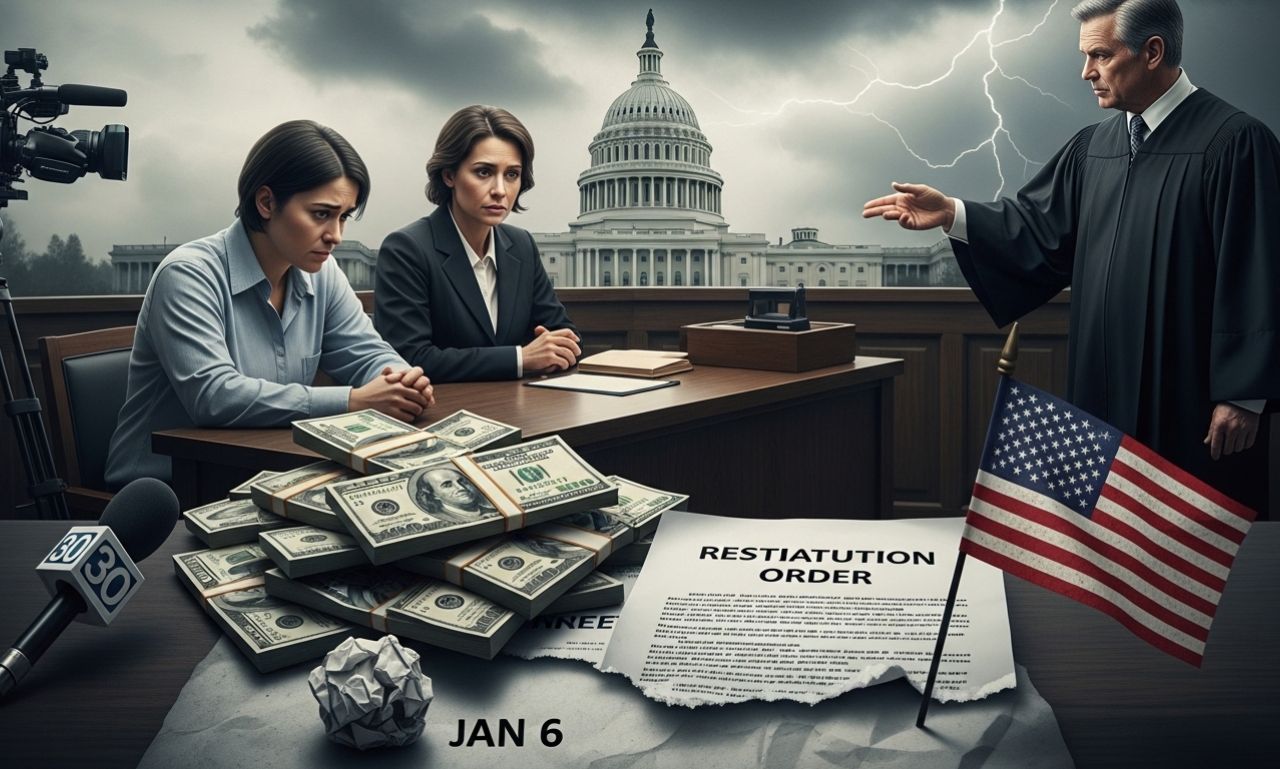
The Jan 6 defendant restitution refund has become one of the most controversial legal and political issues in the United States since the attack on the U.S. Capitol on January 6, 2021. At its core, this issue revolves around whether people convicted for their roles in the Capitol breach should have their court‑ordered restitution and fines refunded after their convictions were vacated or pardoned. As federal judges, the U.S. Department of Justice (DOJ), and lawmakers grapple with unprecedented legal questions, the debate over restitution refunds exposes deep divides over justice, accountability, and the rule of law.
Understanding Restitution and Refunds: Legal Basics
What Is Restitution?
Restitution is a financial penalty imposed by courts in criminal cases meant to compensate victims or public entities for losses caused by a defendant’s actions. In many January 6 cases, restitution was ordered to cover damage to the Capitol building, law enforcement costs, and other riot‑related expenses.
How Does a Restitution Refund Come Into Play?
A Jan 6 defendant restitution refund arises when a person convicted of a crime seeks to reclaim the money they paid toward restitution and fines after their conviction is vacated or pardoned. Because U.S. law traditionally treats a criminal conviction as final only after appeals are resolved, some pardoned defendants argue they should get funds back if their appeals were pending at the time the convictions were dismissed.
Key Court Cases Shaping the Restitution Refund Debate
Yvonne St. Cyr: A Rare Restitution Refund Granted
In a landmark and highly unusual ruling, a federal judge reluctantly authorized a refund of $2,270 in restitution and penalties to Yvonne St. Cyr, a January 6 defendant whose felony conviction was vacated after she received a presidential pardon. The court concluded that because her appeal was still pending when the pardon took effect, her conviction was treated as never final, entitling her to repayment of money previously paid.
This marked the first time a pardoned January 6 defendant received a restitution refund, setting up a possible legal precedent and intensifying political controversy.
Judge Rejects Another Defendant’s Refund Request
In contrast, U.S. District Judge Tanya Chutkan rejected a separate request from another pardoned Jan 6 defendant seeking a refund of restitution and fines, explaining that a presidential pardon does not automatically erase the legal effect of a conviction or make paid penalties “erroneous.” The judge emphasized that a pardon is an act of grace, not a basis for repayment once restitution has been collected.
Divergent Rulings Add Legal Complexity
Other judges have wrestled with similar claims. Some have denied refund requests, citing lack of legal authority to order refunds from the U.S. Treasury. Others have sided with defendants when their cases were considered “invalidated” by appellate action before pardon. These conflicting decisions have left the Jan 6 defendant restitution refund question far from settled.
The DOJ’s Stance on Restitution Refunds
Federal Prosecutors Support Some Refund Claims
In an unusual legal position, the Department of Justice has at times supported the idea that certain Jan 6 defendants should receive refund of restitution payments if their convictions were vacated before appeals concluded. DOJ lawyers have argued that once a conviction is invalidated, there is no legal basis for the government to retain funds collected solely because of that conviction.
This DOJ position reflects reliance on past Supreme Court precedent requiring refunds when convictions are overturned and no retrial is held. However, courts disagree on whether that logic applies to pardon cases.
Political Backlash Against DOJ’s Position
Senate Democrats, including Senators Alex Padilla, Amy Klobuchar, and Dick Durbin, strongly criticized DOJ support for restitution refunds, arguing that any attempt to reimburse Jan 6 defendants undermines accountability for violent actions and improperly shifts costs to taxpayers. They have urged the department to abandon refund efforts, calling the use of taxpayer funds for this purpose “unthinkable.”
Political Debate: Should Restitution Refunds Be Allowed?
The Jan 6 defendant restitution refund issue has inflamed political debate, reflecting broader divisions over how the nation should treat those involved in the Capitol breach.
Arguments for Refunds
Supporters of refunds argue that if a conviction is legally invalid because it was vacated before becoming final, then, under constitutional principles, defendants are entitled to get back what they paid. They contend that fairness requires courts to treat such cases like any other overturned conviction, ensuring that individuals are not penalized after the legal basis for conviction disappears.
Arguments Against Refunds
Opponents argue that allowing refunds rewards violent behavior and undermines justice for victims, including law enforcement and the public. They also claim pardons should not equate to legal erasure that triggers financial repayment, especially when restitution was paid into funds used to address riot damage and costs. Many argue federal funds should not be used to repay such defendants.
What’s Next for Restitution Refunds?
The future of the Jan 6 defendant restitution refund debate remains uncertain. Legal conflicts between judges, political pressure from lawmakers, and evolving DOJ positions suggest more court battles are likely in 2026 and beyond. Some legislators have proposed laws explicitly barring taxpayer refunds or directing restitution funds to other purposes rather than repayments.
Conclusion
The Jan 6 defendant restitution refund issue sits at the intersection of law, politics, and public policy. With conflicting court decisions and heated debate in Congress, the question of whether convicted January 6 participants should be repaid money they previously paid remains unresolved. As cases continue to wind through the judiciary and lawmakers consider statutory responses, this issue will likely remain a flashpoint in American legal and political discourse.