
 By Brain Killer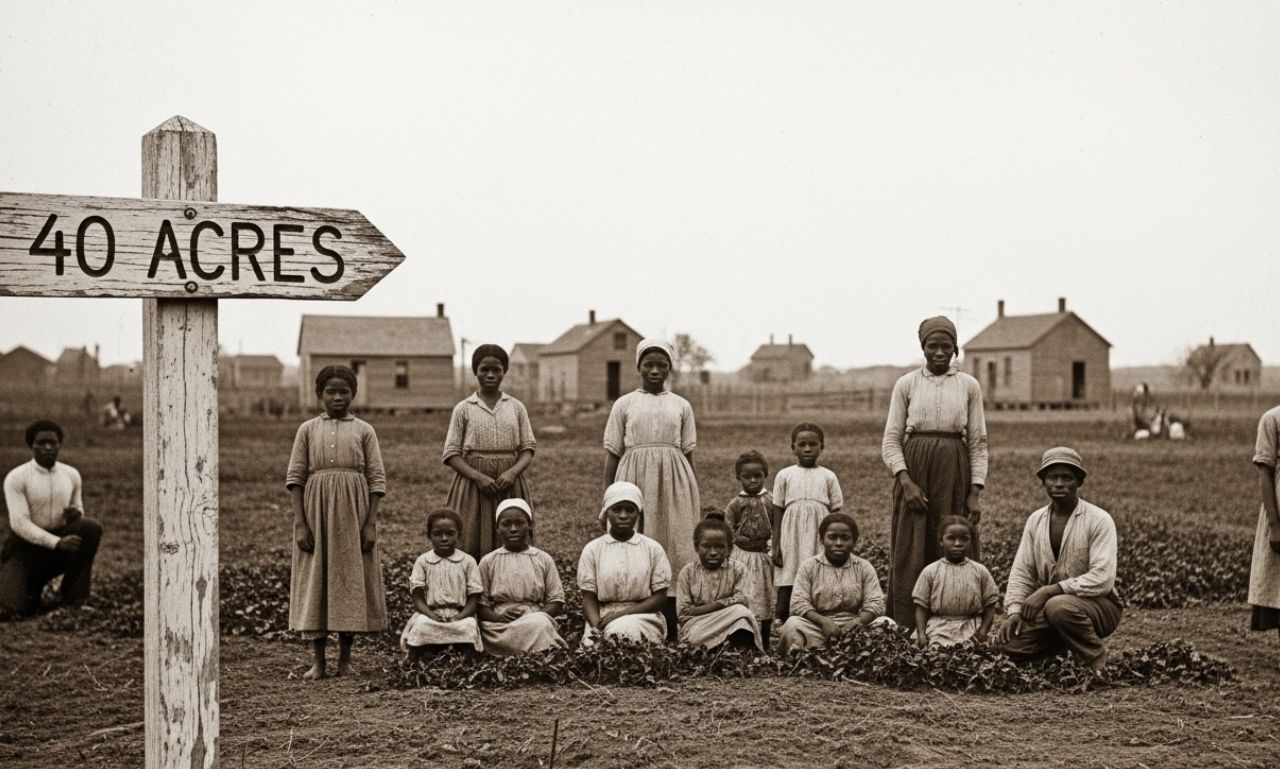
The phrase 40 acres is commonly used in discussions about land measurement, agriculture, and history. In simple terms, 40 acres refers to a land area that covers forty individual acres, which is a standard unit of land measurement used in countries such as the United States.
Understanding the size of 40 acres can be helpful for farmers, real estate buyers, investors, and anyone interested in land ownership. The term also appears in historical discussions, particularly in connection with the famous phrase “forty acres and a mule,” which is linked to events after the American Civil War.
This article explains what 40 acres means, how large it is, its historical significance, and how land of this size is used today.
What Does 40 Acres Mean?
An acre is a standard unit of land area used in several countries, especially the United States. One acre equals 43,560 square feet. Therefore, when someone refers to 40 acres, they are talking about forty times that amount.
This means:
-
40 acres = 1,742,400 square feet
To visualize it, imagine a large field or piece of farmland. A property of 40 acres is considered quite large and is often used for farming, ranching, or large residential estates.
In many rural areas, land parcels of this size are common because they provide enough space for agricultural activities and development.
How Big Is 40 Acres?
Understanding the physical size of 40 acres can be easier when comparing it with familiar spaces.
For example:
-
About 30 American football fields
-
Roughly 16 hectares in the metric system
-
Nearly 0.0625 square miles
This size makes 40 acres a substantial piece of land suitable for farming, livestock raising, or even building multiple homes depending on zoning regulations.
Because land is such a valuable resource, understanding its measurement helps buyers and investors make better decisions.
The Historical Significance of 40 Acres
One of the most famous references to 40 acres comes from a historical policy connected to the aftermath of the American Civil War. During this time, formerly enslaved people were promised land as part of an effort to support economic independence.
This idea became widely known as “forty acres and a mule.”
The policy originated from an order issued by William Tecumseh Sherman in 1865, known as Special Field Orders No. 15. The order proposed redistributing land in the southern United States to formerly enslaved families.
Each family was supposed to receive up to 40 acres of land, which would help them build farms and support themselves after slavery ended.
However, the policy was later reversed, and most of the land was returned to previous owners. Even though the promise was not fulfilled, the phrase “forty acres and a mule” became a powerful symbol in discussions about justice and equality.
Agricultural Use of 40 Acres
Historically, 40 acres has often been considered an ideal farm size for small-scale agriculture. Farmers could grow crops, raise livestock, and build homes on land of this size.
Common agricultural uses of 40 acres include:
-
Growing crops such as wheat, corn, or vegetables
-
Raising livestock like cattle or goats
-
Creating orchards or vineyards
-
Operating small family farms
Because it offers a balance between manageable size and productive capacity, 40 acres remains a practical farmland size in many regions.
40 Acres in Real Estate
In modern real estate markets, owning 40 acres of land is often seen as a valuable investment. Large land parcels provide opportunities for different types of development.
For example, landowners might use 40 acres for:
-
Residential housing projects
-
Farming or ranching
-
Recreational properties
-
Solar or renewable energy farms
In rural areas, people also purchase large properties like 40 acres to enjoy privacy, natural landscapes, and outdoor activities.
Recreational Uses of 40 Acres
Landowners sometimes use 40 acr es for recreational purposes instead of agriculture or construction. Because the property size is large enough, it can support many outdoor activities.
Examples include:
-
Hunting and wildlife conservation
-
Camping and outdoor retreats
-
Off-road vehicle riding
-
Private nature reserves
Many people value large pieces of land for their natural beauty and opportunities for relaxation away from crowded cities.
Environmental Importance of Large Land Areas
Owning or preserving 40 acr es of land can also benefit the environment. Large areas of natural land support ecosystems and wildlife habitats.
Trees, plants, and soil on large properties help absorb carbon dioxide and maintain biodiversity. Some landowners dedicate parts of their land to conservation efforts or sustainable agriculture.
As environmental awareness increases, protecting large land areas has become more important for maintaining ecological balance.
Conclusion
The concept of 40 ac res represents more than just a measurement of land. It carries historical significance, practical agricultural value, and modern investment potential. From its role in post–Civil War history to its use in farming and real estate today, 40 ac res remains an important reference point in land ownership discussions.
Whether used for agriculture, development, recreation, or conservation, a property of this size offers many opportunities. Understanding what 40 ac res means and how it can be used helps individuals make informed decisions about land, history, and future investments.